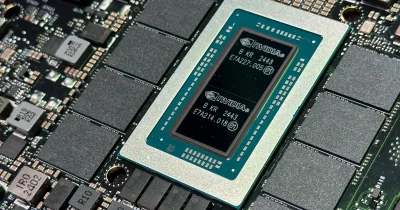
Taiwan Semiconductor Manufacturing Co. plans to raise prices for its most advanced chips starting in 2026, a move that could drive up the cost of AI hardware and give competitors like Intel and Samsung a chance to undercut the market leader.
The 2026 price increase
TSMC’s price hikes will apply to its cutting-edge fabrication nodes, the ones used to build the most powerful AI accelerators and processors. The company hasn’t disclosed by how much it will raise prices, but the change is expected to hit customers who rely on TSMC for the latest chips. The timing — two years out — gives buyers some runway to adjust, but it also signals that TSMC sees sustained demand for its premium manufacturing capacity.
Pressure on AI hardware margins
AI companies have spent heavily on chips from TSMC. A price increase will squeeze their hardware budgets, potentially slowing the pace of AI model training or forcing them to pass costs to end users. The company’s advanced nodes are essentially the only game in town for top-tier AI silicon, so customers have limited room to negotiate. The impact could ripple through the AI supply chain, from cloud providers to startups renting GPU time.
A window for rivals Intel and Samsung
Intel and Samsung both operate their own advanced chip factories, and they’ve been trying to win business away from TSMC. If TSMC’s prices go up, those rivals could offer lower rates and gain ground. Intel’s foundry division has already announced plans to manufacture chips for outside customers, and Samsung is investing heavily in its own process technology. The price hike may be the opening they need to persuade AI companies to diversify their supply.
Shifting chip industry dynamics
The decision could reshape the semiconductor industry. TSMC has long held a dominant position — more than half of the world’s advanced chips come from its factories. A price increase might push some customers to invest in alternative designs or even start building their own foundries. It also puts pressure on TSMC’s own margins: if it loses market share to Intel or Samsung, the higher prices may not offset the volume loss. The next two years will show whether TSMC can keep its lead while raising costs.
For now, the biggest question is how much the price hike will be — and whether Intel and Samsung can deliver chips that match TSMC’s quality at a lower cost. The answer won’t be clear until 2026.