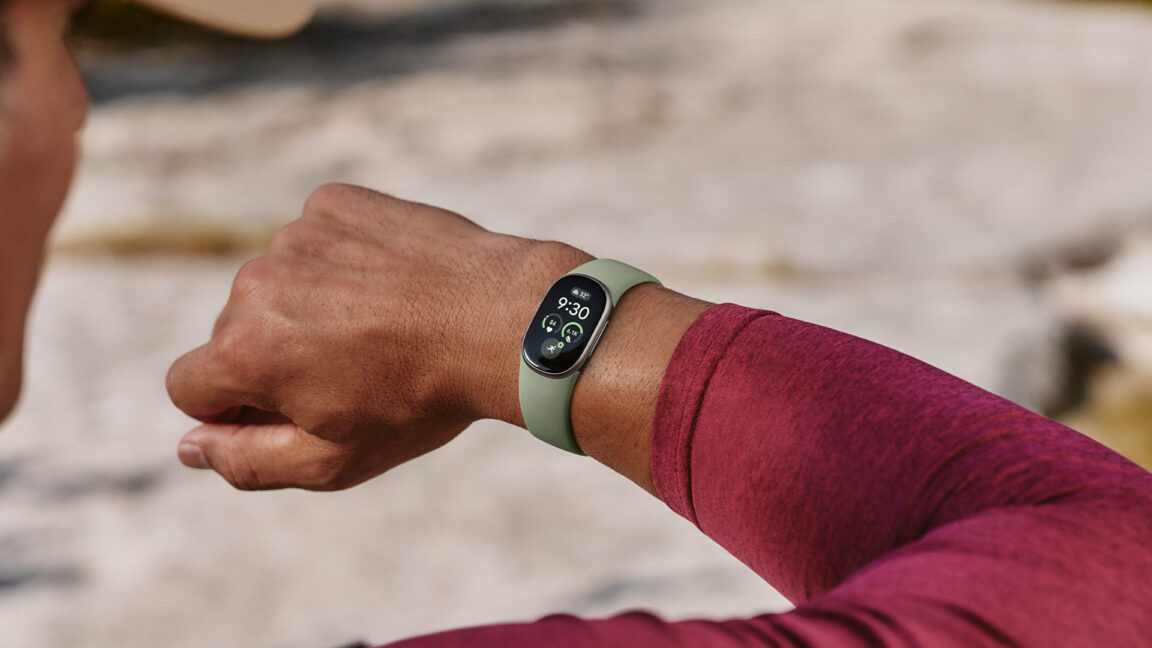
Ultrahuman, the smart ring maker, has signed a two-year research agreement with Abu Dhabi to clinically validate a biological-age model, with plans to eventually roll it out across the United Arab Emirates. The partnership pairs the company's wearable hardware with the emirate's health infrastructure, and it signals the UAE's continued push into longevity science and preventative care.
What the deal actually covers
For the next two years, Ultrahuman and Abu Dhabi will work on research and clinical validation of the model. That's the whole scope as disclosed. No financial terms, no specific hospital partners, no launch date. The clinical validation phase comes first; the UAE-wide rollout is the stated goal after that.
📊 Market Data Snapshot
Ultrahuman makes smart rings that track biometric data including heart-rate variability, sleep, and recovery. A biological-age model built on that kind of data is a different beast from a consumer sleep score. Clinical validation means proving it holds up against real medical endpoints, not just marketing claims.
Why Abu Dhabi wants in
The emirate has spent years positioning itself as a hub for longevity research and preventative health, drawing on sovereign wealth and a regulatory environment that moves faster than most Western counterparts. Partnering with a consumer wearable company gives Abu Dhabi access to continuous, real-world biometric data at a scale that clinical trials usually can't match.
It's also a diversification play. Gulf states have been steadily pushing into tech and life sciences as part of broader economic strategies, and health monitoring sits at the intersection of both. The two-year timeline is notable — this isn't a quick pilot. It's structured research with a defined validation period.
The crypto angle is indirect at best
Nothing in this announcement touches digital assets directly. There's no token, no blockchain, no mention of on-chain anything. For traders, this event offers no actionable signal. Bitcoin is trading in a tight range with low volume, and the neutral sentiment suggests the market is waiting on macro drivers rather than regional health-tech news.
Where it gets interesting for crypto is longer term and more speculative. The UAE has been building out a digital asset framework, and if biological-age verification becomes part of national health infrastructure, the data handling requirements — privacy, security, user ownership — overlap with problems blockchain-based identity and health-data projects are trying to solve. That's a second-order effect, years away, and not something to trade on today.
The unresolved part
What the biological-age model actually measures, how it's validated, and what data-sharing agreements look like between Ultrahuman and Abu Dhabi are all undisclosed. The two-year research window means the earliest realistic rollout is late 2028. Until then, the interesting question is whether the clinical validation produces datasets that could be used beyond health — and whether the UAE's digital asset rules would even allow that data to be tokenized. No one has said they will be. But that's the part worth watching.