U.S. stocks rallied through May 2024, fueled by a wave of optimism around artificial intelligence infrastructure and a tenuous ceasefire between the United States and Iran. Semiconductor stocks led the charge, pushing major indices higher as investors bet on a sustained boom in chip demand.
AI infrastructure bets drive the rally
The market’s appetite for anything tied to AI infrastructure showed no signs of cooling. Money poured into companies building data centers, networking gear, and the chips that power large language models. The gains weren’t limited to a handful of names — the entire semiconductor sector climbed. Optimism that AI spending would stay strong for years gave traders reason to buy, even as valuations stretched.
Ceasefire adds a fragile tailwind
A fragile ceasefire between the U.S. and Iran also supported the move. The agreement, announced in late April, helped lower oil prices and eased one geopolitical worry that had weighed on equities earlier in the year. But the ceasefire is far from stable. Analysts following the talks warn that any violation could send oil prices spiking again and roil markets. For now, though, the mere existence of a pause in hostilities gave traders room to focus on growth stories like AI.
Semiconductors steal the spotlight
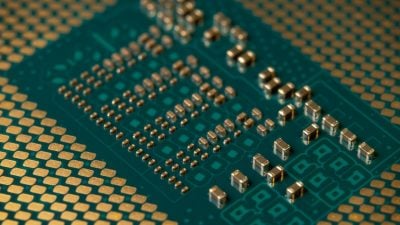
Chipmakers were the clear winners. The Philadelphia Semiconductor Index outpaced the broader market by a wide margin. Demand for advanced chips used in AI training and inference continues to outstrip supply, and companies across the supply chain are racing to expand capacity. Investors saw no reason to sell. The sector’s leadership in May reinforced the view that AI is not a passing trend but a structural shift in computing.
The rally was broad, but it rested on two pillars: the promise of AI infrastructure and the hope that the Iran ceasefire would hold. Both are uncertain. AI spending could slow if the technology fails to deliver on its billing, and the ceasefire could collapse at any moment. For now, traders are betting both will work out. Whether they’re right will become clearer in the months ahead as companies report earnings and diplomats monitor the truce.