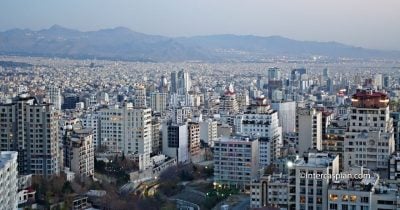
The strike was reported near Ahvaz, a city in southwestern Iran. Details are scarce — neither government has publicly confirmed the attack, and no information has emerged about the target or the timing. What's clear is the context: the strike was reported amid escalating tensions between the two countries, a period that has left the region braced for a possible confrontation.
A standoff reaching a new level
The reported strike comes at a moment when tensions between Washington and Tehran have been climbing. A direct US attack on Iranian territory, if confirmed, would mark a serious escalation in that standoff. It would also put Iran in a position where it feels compelled to respond, setting up a cycle that could be hard to break.
Iran's defensive response
Iran may respond by enhancing its defensive measures. The nature of those measures isn't clear, but the reported strike gives Tehran a reason to harden its military posture. Any such move would likely be watched closely across the region, where the risk of miscalculation is already high. A defensive buildup, while less provocative than a direct counterstrike, would still signal that Iran is preparing for the possibility of further attacks. That preparation, in turn, could be read by Washington as a threat, adding another layer to an already tense relationship.
Regional stability in question
The broader concern is regional stability. A US strike on Iranian territory, followed by an Iranian military response, could ripple across the Middle East. The full consequences won't be clear until both sides make their next moves. The immediate question is whether Washington confirms the strike