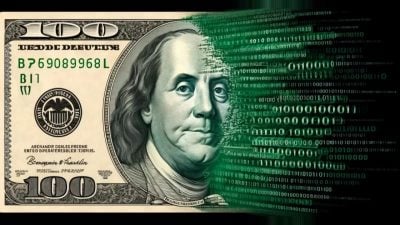
A wave of new debt tied to artificial intelligence spending is hitting bond markets, pushing yields higher and threatening mark-to-market losses for holders of existing bonds. The flood of issuance, driven by companies borrowing heavily to fund AI infrastructure, is reshaping fixed-income risk in ways that few investors anticipated.
Why AI is driving the debt wave
Tech firms and data-center operators are piling into bond markets to finance the massive computing power and energy demands of AI systems. The borrowing has accelerated over the past year, with no signs of slowing. That extra supply is weighing on bond prices, which move inversely to yields. The result: a steady climb in yields across corporate and government debt.
Investors who loaded up on bonds when yields were lower now face paper losses. The mark-to-market pain is real, even if they don't sell. For funds that must report daily net asset values, the hit is immediate.
Rising yields mean falling prices. That's the basic math. But the scale of AI-related issuance is what's catching attention. It's not a one-off deal or a single sector—it's a broad trend. Utilities, semiconductors, and cloud providers are all tapping debt markets. The cumulative effect is a persistent upward pressure on yields.
Some investors are trying to adjust by shortening duration or moving into floating-rate notes. But the sheer volume of new supply makes it hard to avoid the drag. Mark-to-market losses are piling up, especially for those who loaded up on longer-dated bonds when yields were lower.
The question now is whether the AI debt wave will crest or keep building. If companies continue to borrow at this pace, yields could push higher still. That would mean more pain for bondholders. On the other hand, if AI spending slows or shifts to equity financing, the pressure could ease. For now, the market is watching the next round of corporate earnings and capital expenditure plans for clues.
No one is calling a crisis. But the steady drip of new supply is a fact that bond investors can't ignore. They're left to navigate a market where the biggest driver of yields isn't the Fed or inflation—it's the insatiable appetite for AI infrastructure cash.