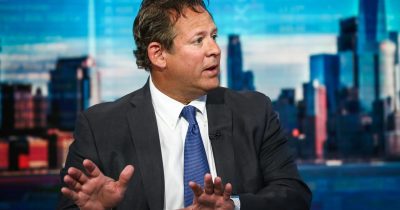
BlackRock's Rieder says the Federal Reserve is unlikely to raise interest rates after the July jobs report. A shift away from rate hikes could help stabilize markets, but it may also signal deeper concerns about economic growth and the health of the labor market.
What the July jobs report changed
The July jobs report landed with enough softness that Rieder, a senior voice at the world's largest asset manager, now sees the Fed holding off on another increase. He didn't spell out exact numbers, but the read is clear: the labor market is cooling in a way that makes further tightening hard to justify.
That's a notable turn. For months, the Fed's stance has been data-dependent, and each strong jobs print kept the door open for more hikes. This time, the data points the other way.
Why markets could breathe easier
A Fed that stops hiking removes a layer of uncertainty that's been hanging over equities and bonds. When the central bank signals it's done moving rates up, investors can start pricing in a steadier path. That tends to calm volatility and support asset prices.
But there's a catch. The reason the Fed might pause isn't because inflation is fully tamed. It's because the economy is showing cracks. That's a different kind of worry, and it's not one that markets usually celebrate for long.
Growth and labor market worries beneath the surface
Rieder's view suggests the Fed is paying closer attention to signs that economic growth is slowing and that job gains are losing momentum. A healthy labor market has been the backbone of the recovery. If that weakens, the Fed's calculus shifts from fighting inflation to protecting growth.
That's the tension now. A pause on hikes might steady markets in the short term, but it also flags that the Fed sees trouble ahead. The question is whether the economy can avoid a sharper slowdown without the support of lower rates.
For now, Rieder's read is that the Fed won't move. Investors will be watching the next policy meeting for confirmation, and any hint that the labor market is deteriorating further could reshape the outlook entirely.