Brent crude oil pushed past $100 a barrel on Monday as fears over the Middle East conflict rattled markets and raised the specter of supply disruptions. The benchmark’s climb marks its first sustained move above the triple-digit threshold since late 2022, when Russia’s invasion of Ukraine sent energy prices soaring.
Why oil is climbing
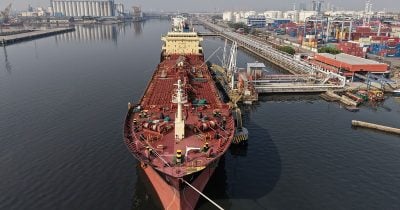
The rally is driven by mounting concern that the war between Israel and Hamas could widen into a broader regional conflict. Traders are particularly worried about potential disruptions to shipping through the Strait of Hormuz, a narrow waterway that handles roughly a fifth of the world’s oil supply. Any direct involvement by Iran or a closure of the strait would likely send prices sharply higher. For now, the market is pricing in a risk premium, with no actual supply losses yet reported.
What the prediction market says
On the decentralized prediction platform Polymarket, bettors currently see a 16% probability that Brent crude will hit a new all-time high before the end of the year. The current record stands at $147.50 a barrel, set in July 2008. While 16% is far from a sure thing, it reflects a real — and growing — sense among traders that the geopolitical situation could escalate further. The market has been active since early October, when the conflict erupted.
What's at stake for supply
Beyond the immediate fear of a regional war, the rally also underscores how tight global oil supplies already are. OPEC+ production cuts, led by Saudi Arabia and Russia, have kept the market relatively balanced but vulnerable to shocks. If the conflict disrupts output from major producers like Iran or Iraq, or if shipping lanes are affected, the resulting shortfall could be severe. Analysts at several investment banks have already revised their year-end price forecasts upward, though none have yet predicted a new all-time high.
The next few weeks will be critical. Diplomats are scrambling to contain the violence, but any escalation could quickly push Brent past the $110 mark. For now, the market is watching — and waiting — to see whether the fighting stays contained or spills over into the wider region.