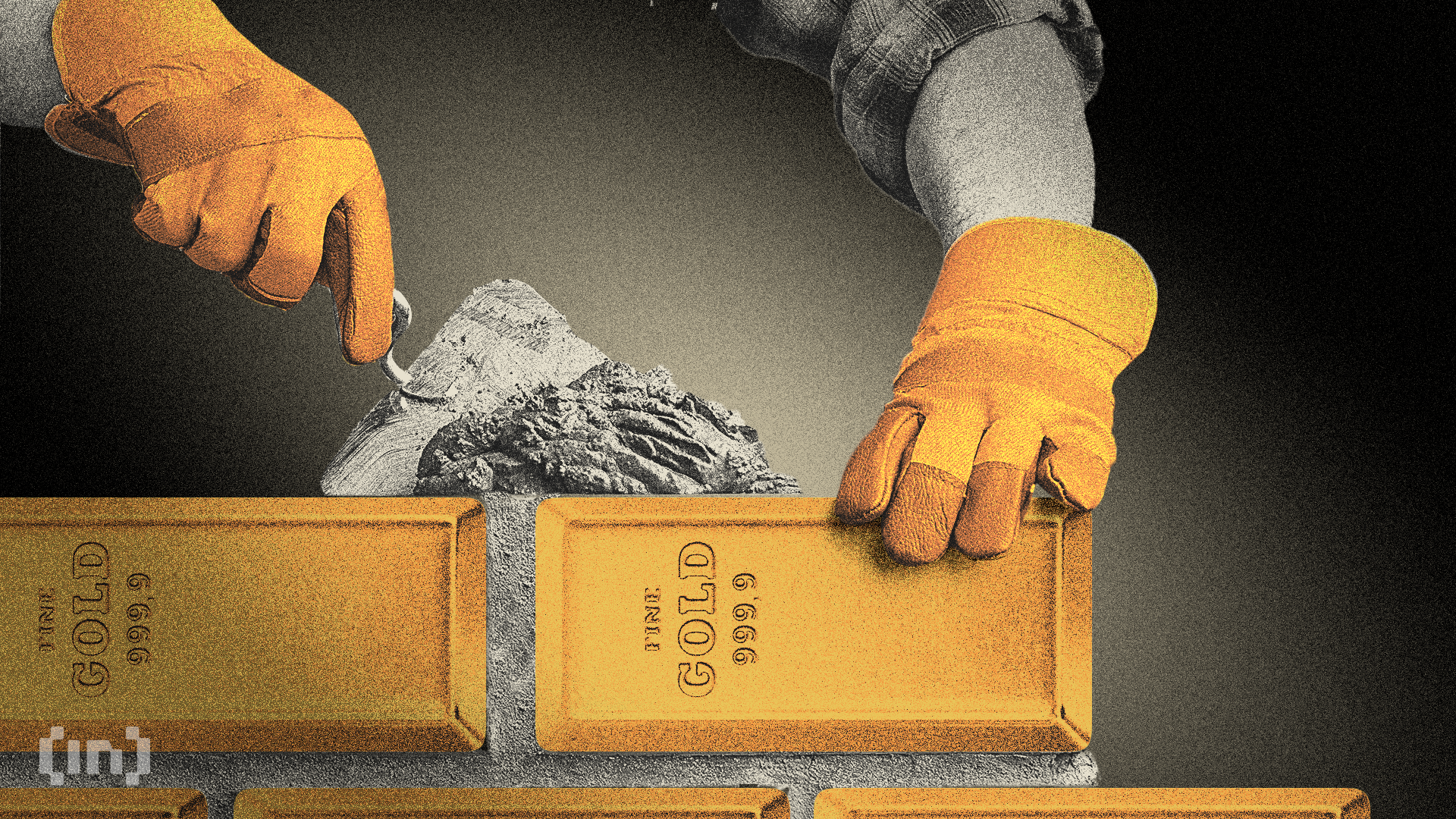
China's government bond yields have slipped as traders bet on looser monetary policy, a shift that could steer more investors toward gold as a safe haven. The move adds another layer of uncertainty to global markets already watching Beijing's next policy steps.
Why yields are falling
The dip in yields comes down to expectations. Investors are increasingly convinced that China's central bank will ease policy to support a slowing economy. That could mean rate cuts, lower reserve requirements, or other measures that inject liquidity into the system.
When those expectations build, bond prices rise and yields fall. It's a straightforward trade, but the implications go beyond the bond market. Lower yields make traditional fixed-income investments less rewarding, and that pushes money to look for alternatives.
The gold connection
Gold is one of those alternatives. The metal pays no interest, so its appeal grows when yields on bonds shrink. The opportunity cost of holding gold drops, and investors who want safety without locking into low returns often turn to the metal.
There's also a currency angle. Looser policy can put downward pressure on the yuan, and gold is a classic hedge against currency weakness. For Chinese investors, that's a double reason to buy. For global buyers, it's a signal that demand for gold could climb.
The timing matters. Gold has already been strong this year, and any fresh wave of buying from China—one of the world's largest gold consumers—could add to that momentum. But it's not just about the metal itself. The shift in China's bond market could ripple through global portfolios, as investors reassess risk and safe-haven allocations.
Global market impact
China's bond market is the second-largest in the world, so a sustained move in yields doesn't stay local. International funds that hold Chinese bonds may rebalance, and that can affect currency markets, emerging-market debt, and even commodity prices.
The bigger question is whether other central banks follow suit. If China eases aggressively, it could put pressure on other economies to respond, especially those that trade heavily with Beijing. That's a dynamic that traders are already watching, though no one is making bold calls yet.
For now, the bond market is doing the talking. The yield dip is a clear signal of what investors expect, and gold is quietly benefiting. The next move will likely come when Beijing signals its next policy decision, with traders watching for any announcement on rate cuts or reserve requirements.