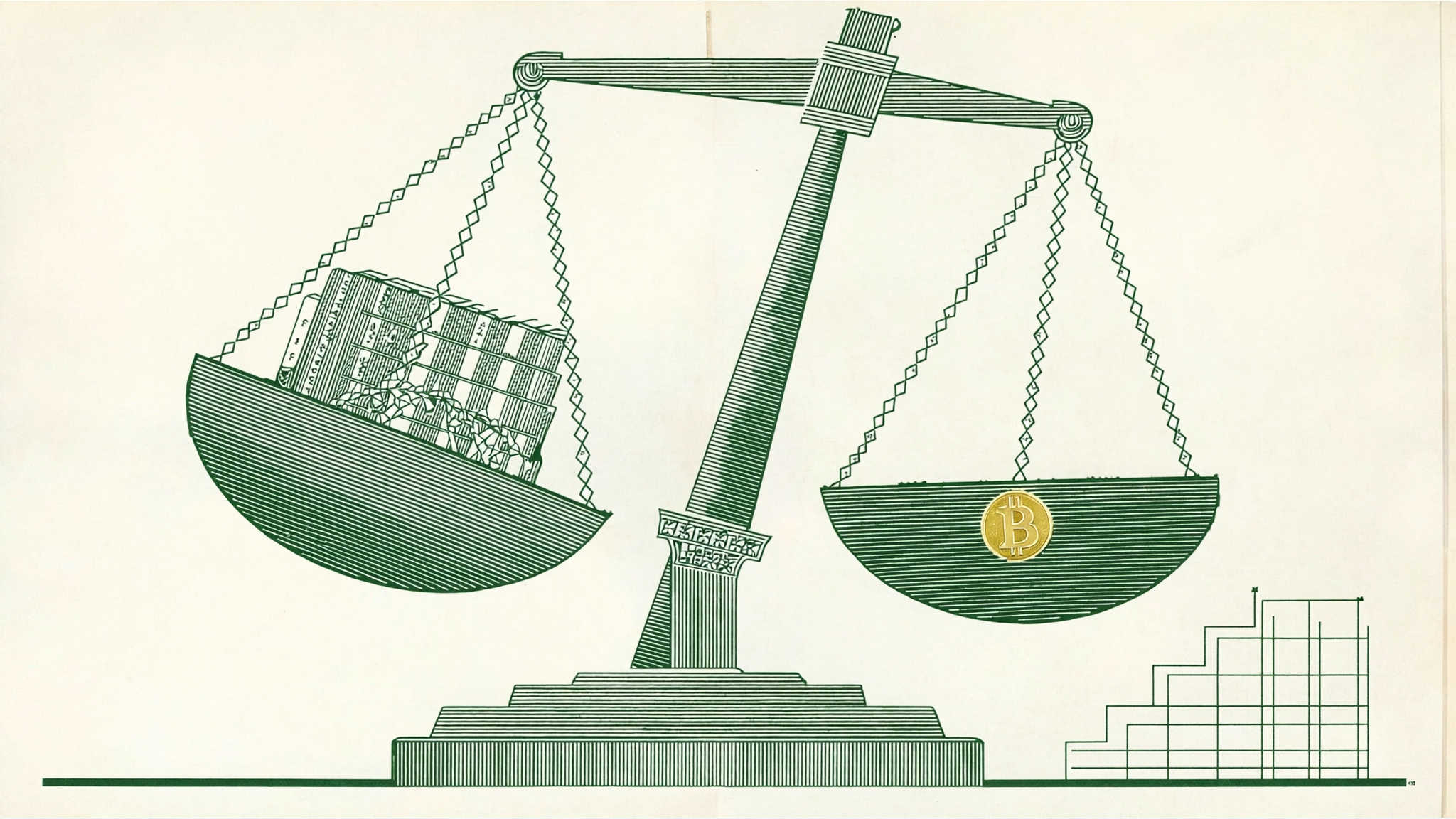
Beijing has imposed a new consumption tax on solar cells and lithium batteries, scrapping an 11-year exemption that had helped fuel the country's dominance in renewable energy manufacturing. The policy, announced without a phase-in period, is designed to force a shakeout among the hundreds of producers in China's crowded solar and battery sectors. Shares of Chinese solar companies rose on the news, a sign investors expect the tax to weed out weaker players and strengthen the hands of the biggest manufacturers.
End of a long exemption
The previous tax holiday dated back to 2013, when China was still building its solar and battery industries. At the time, the exemption was meant to encourage domestic production and reduce reliance on imported components. Over the past decade, China became the world's largest producer of solar panels and lithium batteries, supplying roughly 80% of global solar cells and a similar share of battery cells. The new tax applies to both products immediately, though the government did not specify the rate or whether it will be applied uniformly across all manufacturers.
Market reaction
Despite the added cost, Chinese solar stocks climbed after the announcement. Investors appear to view the tax as a catalyst for consolidation in a sector that has struggled with overcapacity and thin margins. The country's top solar firms, including Longi Green Energy and Tongwei Co., saw their shares rise between 2% and 5% in the days following the policy release. Analysts at several brokerages noted that the tax could accelerate the exit of smaller, less efficient producers, leaving the market to a handful of dominant players with deeper pockets and better technology.
Industry shakeout
The tax is explicitly intended to push out marginal manufacturers. China's solar and battery industries have long been plagued by excess capacity, with dozens of companies producing similar products at razor-thin profits. The government has tried various measures to reduce overcapacity, including production caps and stricter environmental standards. The consumption tax adds a direct financial burden: companies that cannot absorb the cost or pass it on to customers will likely shut down or be acquired. The shakeout is expected to hit smaller firms hardest, especially those in the midstream of the supply chain, such as cell assemblers and module packagers.
Reshaping energy markets
The policy also signals a broader shift in China's energy strategy. For years, Beijing subsidized renewable energy manufacturing to build a domestic industry and drive down global costs. Now, with the industry mature and overcapacity a persistent problem, the government is pivoting toward quality over quantity. The tax could raise the price of Chinese solar panels and batteries abroad, potentially slowing the global energy transition in the short term. But it may also push other countries to accelerate their own manufacturing efforts, reshaping supply chains that have long depended on China's low-cost output.
How quickly the shakeout will happen remains unclear. The government has not set a deadline for compliance or announced any accompanying subsidies for affected workers or regions. For now, the industry is watching to see whether the tax will be applied uniformly or if exemptions will be granted to companies that meet certain efficiency or environmental criteria.