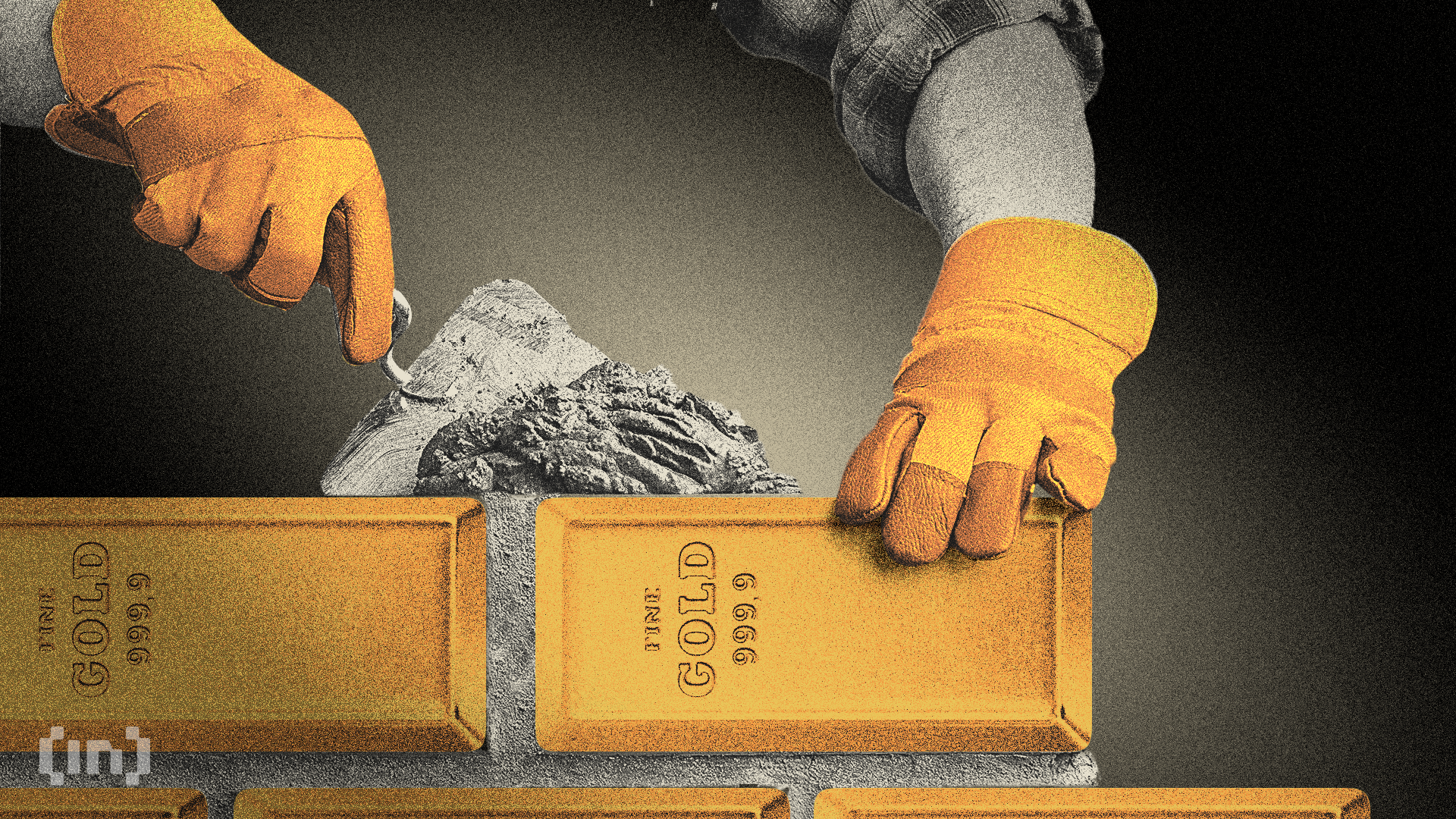
Daniel Moss has warned that a combination of rising economic shocks and persistent inflation pressures could push investors toward gold, a shift that may also unsettle market dynamics and force central banks to reconsider their policy paths. The caution comes as global markets remain on edge over supply disruptions, currency swings, and uneven recovery signals.
The Warning
In a fresh assessment, Moss pointed to mounting risks that could compound each other. He did not specify which shocks he sees as most likely, but the message was clear: the current environment is fragile. Inflation, he argued, is not cooling as quickly as many hoped, and that alone is enough to make investors nervous.
His remarks land at a time when gold has already been moving higher. The metal is often treated as a hedge against both inflation and uncertainty, and Moss's warning adds to a growing chorus of caution from analysts who track monetary policy closely.
Gold's Appeal in a Stressed Market
If economic shocks intensify, gold tends to benefit. Investors historically shift assets into the metal when they fear that currencies will lose value or that equity markets will become too volatile. Moss's warning suggests that such a shift may be underway, or at least that the conditions for one are building.
He did not offer price forecasts or specific investment advice. Instead, he framed gold as a likely destination for capital seeking safety. That dynamic, he noted, could feed back into market behavior, changing how traders price risk across stocks, bonds, and currencies.
Impact on Market Dynamics
A move toward gold rarely happens in isolation. It often coincides with a weaker dollar, higher volatility in equity markets, and a repricing of government bonds. Moss warned that these effects could ripple through the broader financial system, making it harder for companies to raise capital and for consumers to borrow cheaply.
Central banks are also watching. If inflation stays elevated and economic shocks keep hitting, policymakers may have to choose between fighting price rises and supporting growth. Moss suggested that gold's rise could be an early signal that investors doubt the ability of central banks to manage that balance.
Policy Implications Ahead
Monetary policy could be influenced in two ways. First, if gold prices climb sharply, it might reflect expectations of higher inflation, which could push central banks to tighten faster than planned. Second, if economic shocks worsen, policymakers might feel pressured to ease policy to cushion the blow, even if that risks fueling more inflation.
Moss did not predict which path will prevail. But his warning implies that the next few months could be volatile, with gold serving as a barometer for how much confidence investors have lost in the current policy framework.
For now, the market is waiting for the next round of economic data and central bank meetings. Those events will show whether Moss's caution is justified or whether the pressure fades on its own.