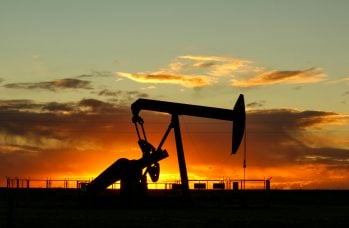
U.S. diesel prices have climbed 47% since the outbreak of the Iran war, a surge that is padding oil company profits while squeezing consumers and the trucking industry. The jump is already feeding into freight rates, heating bills, and the cost of everything that moves by road, and analysts are watching for the knock-on effect on crude itself.
Who's paying the price
The sharp rise is hitting hardest at the pump and on the ledger. Independent truckers who buy fuel by the gallon are facing a 47% hike in a matter of weeks, and those costs don't stay with the driver. They roll straight into the price of groceries, building materials, and just about any good that travels by diesel engine.
Consumers are feeling it in their monthly budgets. Transport companies, already juggling thin margins, are either eating the increase or passing it along. Neither option is pleasant. A 47% spike in diesel is not a rounding error; it's a freight train.
Profit windfall for producers
The same surge is doing nice things for oil company balance sheets. With diesel trading far above its pre-war levels, refiners and producers are booking gains on every barrel. Their earnings reports, due in the coming weeks, will almost certainly reflect that tailwind.
The pattern isn't new—energy prices jump when supply routes get interrupted—but the speed of this move is unusual. The war has disrupted shipping lanes and refinery operations in the region, and the market is pricing in more risk every day.
Crude on the next leg
The diesel spike might not stop at the tank. Because diesel is derived from crude, the pressure is building on the raw commodity. If diesel demand stays high and refinery capacity stays tight, the cost of crude could be dragged to new highs.
That would mean a second round of pain for the transport sector, which would face even higher input costs. And it would loop back to consumers as those costs are passed along. The chain is direct: war, diesel, crude, everything else.
Right now the diesel market is giving the clearest signal that the war's economic damage is not contained to the front lines.
What to watch next
The next few weeks will tell whether crude actually follows diesel upward. If it does, look for a broader spike in inflation expectations and a steeper strain on the trucking industry. The first test comes with the next round of diesel price data.