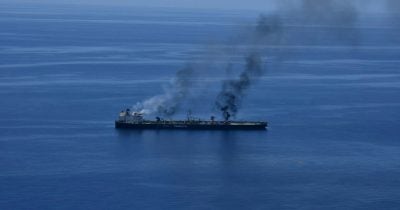
Three tankers transporting Kazakhstan's oil via the Caspian Pipeline Consortium (CPC) route were struck by drones on July 17, 19, and 20. The attacks, all targeting vessels in the Black Sea, have disrupted a critical export artery for the Central Asian nation's crude.
What's at stake on the CPC route
The CPC pipeline carries roughly 80% of Kazakhstan's oil exports. That's about 1% of the entire global oil supply. Any sustained interruption to the route would ripple through international markets and hit Kazakhstan's economy hard. The country relies heavily on oil revenues to fund its budget.
The three tankers hit were all part of the CPC fleet. The first strike came on July 17, followed by another on July 19 and a third on July 20. It's unclear who launched the drones. No group has claimed responsibility.
Timing of the attacks
The strikes over three consecutive days suggest a coordinated effort to disrupt the flow of oil. The CPC route is a major export corridor not just for Kazakhstan but also for Russia, which uses the pipeline to ship some of its own crude. But the tankers targeted were carrying Kazakhstan's oil, according to the information available. The attacks come at a time when global oil markets are already strained by geopolitical tensions.
Each strike forced the tanker to stop operations. The extent of the damage to the vessels and any spillage hasn't been disclosed. The CPC consortium has not issued a detailed statement about the attacks or potential repairs.
The broader impact on oil supply
Kazakhstan produces about 1.8 million barrels of oil per day, with most of that going through the CPC pipeline to the Black Sea coast. From there, tankers carry the crude to world markets. If the route remains under threat, Kazakhstan could be forced to cut production or find alternative export paths. Those alternatives are limited. The country's other pipelines run through Russia or China, both of which have their own constraints.
The 1% global supply figure makes the CPC route a small but not insignificant piece of the world's oil picture. In a market that's tight, every barrel counts. The drone strikes have already raised questions about the security of the Black Sea corridor for oil shipments.
What happens next depends on whether the attacks continue and how quickly the damaged tankers can be repaired or replaced. The CPC consortium will need to decide whether to increase security measures or reroute its exports. For now, the oil flow from the three affected tankers remains halted.