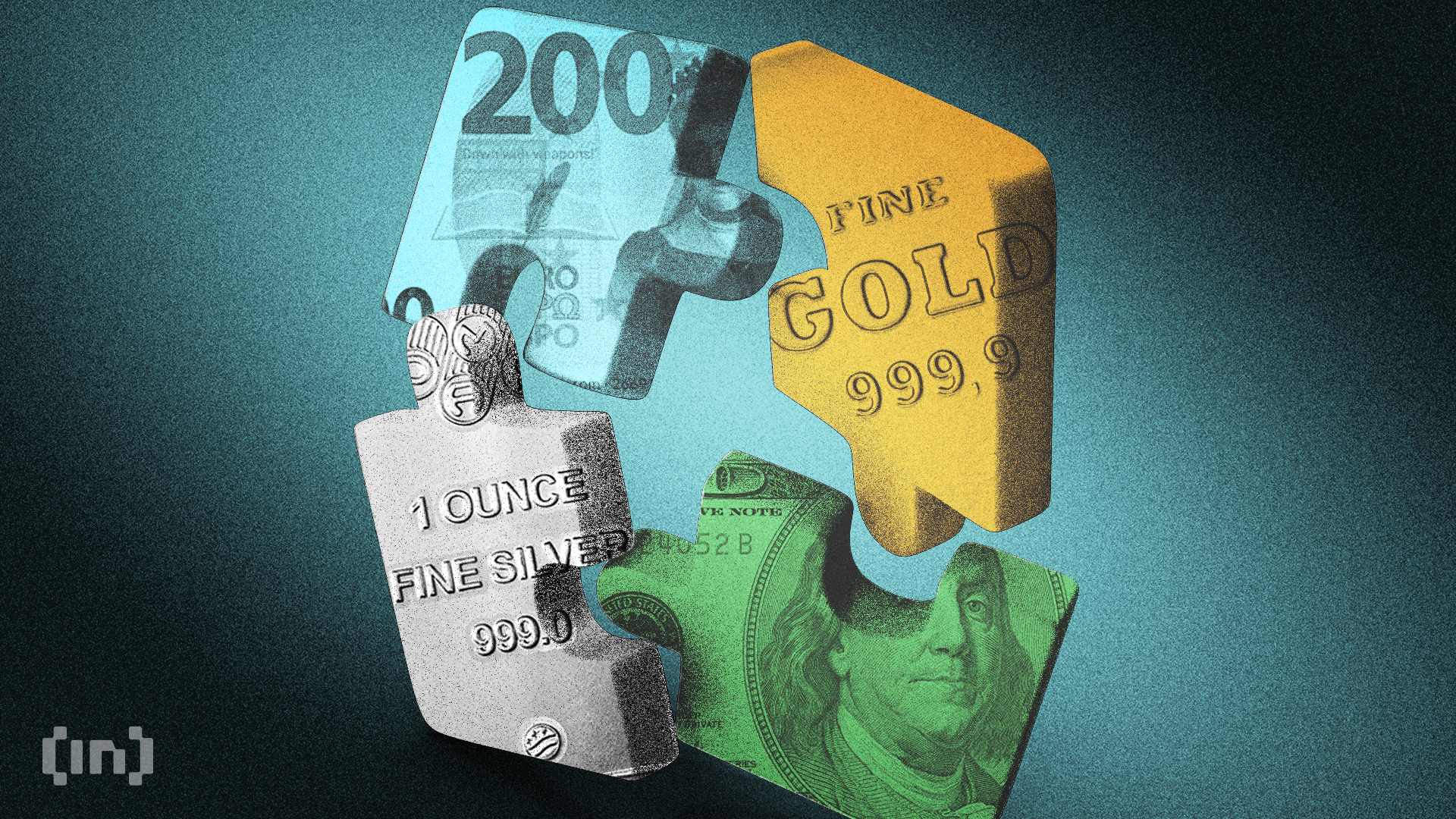
Emerging-market currencies climbed to a record high on Tuesday, a move traders attribute to growing expectations that the Federal Reserve is done raising interest rates. The rally underscores how global capital is shifting toward higher-yielding economies as the dollar's appeal cools.
Why the Fed's Next Move Matters
The Federal Reserve's rate hikes have been a persistent headwind for emerging-market currencies. When the Fed raises rates, dollar-denominated assets become more attractive, pulling capital out of riskier markets and pressuring their currencies. But with traders now dialing back those hike expectations, the pressure is reversing. A weaker dollar gives emerging-market currencies room to run, and they've taken full advantage.
The record high isn't just a blip. It reflects a broader reassessment of how much further the Fed will go. Recent data and commentary have led traders to conclude that the central bank may be nearing the end of its tightening cycle. That shift in sentiment has been enough to send a basket of developing-world currencies to levels never seen before.
Capital Flows Follow Yield
The move also highlights a familiar dynamic in global finance: money chases yield. When the Fed was hiking aggressively, the interest-rate gap between developed and emerging markets narrowed, making emerging-market bonds and currencies less appealing. Now that the gap is expected to shrink from the other side, investors are rotating back into higher-yielding economies.
That rotation is already visible in the currency markets. The record high is a signal that capital is on the move, and it's not just a one-day event. Traders are repositioning portfolios, betting that the dollar's strength has peaked and that emerging-market assets will deliver better returns going forward.
What a Stronger Currency Means for Emerging Economies
A stronger currency is a double-edged sword, but for many emerging economies, the benefits tend to outweigh the costs in the short term. Imported goods become cheaper, which can help tame inflation. Debt denominated in dollars becomes easier to service. And a firmer currency often attracts even more foreign investment, creating a self-reinforcing cycle.
The potential boost to investment is exactly what the rally could deliver. Higher-yielding economies—those with relatively attractive interest rates and growth prospects—stand to gain the most. As capital flows in, it can fund infrastructure projects, support local businesses, and strengthen financial markets. The record high, in that sense, is more than a trading statistic. It's a vote of confidence in the direction of global capital.
The question now is whether the rally has legs. A lot depends on the Fed. If the central bank surprises with another hike, the dollar could bounce back and emerging-market currencies could give up their gains just as quickly. If it holds steady or signals cuts, the rally could extend.
Traders will be watching the Federal Reserve's next policy meeting for any shift in tone. Until then, the record high stands as a reminder of how sensitive global markets are to the Fed's every move.