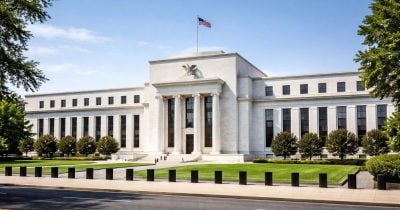
The United States has loosened its financial regulations, and Europe's financiers are now pressing for similar changes. The move could reshape global banking rules, as European authorities weigh reforms to keep their markets competitive while still guarding against instability.
Why the US Shift Ripples
Washington's decision to ease Wall Street rules didn't happen in a vacuum. For years, European banks have operated under tighter oversight, and that gap is now harder to ignore. If US lenders can take on more risk with less regulatory drag, they gain an edge in everything from trading to lending. That pressure is already showing up in conversations across Europe's financial centers.
The concern isn't just about competitiveness. It's about where capital flows. If money moves toward the less regulated US market, European banks could lose business, and that could undermine the stability regulators have worked to build. So the US shift isn't just an American story—it's a global one.
Europe's Push for Parity
Financiers across Europe are asking for a similar loosening of the rules. They argue that the current framework, while safer, puts them at a disadvantage. The push isn't uniform, though. Some want targeted changes to specific rules, while others call for a broader overhaul. What's clear is that the conversation has moved from quiet grumbling to active lobbying.
Regulators are listening, but they're also wary. They remember the 2008 crisis and the cost of lax oversight. Still, the pressure is mounting. If Europe doesn't adapt, it risks losing its place in global finance. The question is how to adjust without undoing the protections put in place after the last meltdown.
The Balancing Act
Reform won't be simple. European authorities have to weigh the benefits of looser rules against the need to stabilize markets. That means finding a middle ground—rules that let banks compete without inviting the kind of risk that brings down entire economies.
Some of the changes under discussion could affect how much capital banks must hold, how they trade, and what they can invest in. But nothing is decided yet. The process is slow, partly because the stakes are high and partly because European regulators don't all see eye to eye.
The US move has set a deadline of sorts. If Europe drags its feet, the gap widens. But if it rushes, it might repeat past mistakes. So the next few months will be telling. European regulators are expected to put forward proposals in the coming quarters, and those will show whether they lean toward competition or caution.
For now, the financiers are pushing, the regulators are deliberating, and the markets are watching. The outcome will determine whether the global financial system tilts further toward the US model—or whether Europe holds its ground.