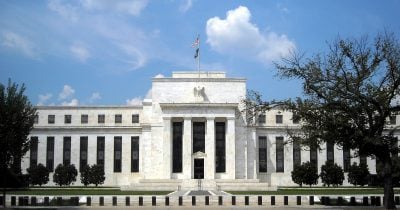
The Federal Reserve is split over whether to raise interest rates, with inflation trends still too uncertain to call. The division leaves markets bracing for volatility and clouds the outlook for economic growth. Policymakers are weighing the risk of acting too soon against the cost of waiting.
A Split at the Top
Inside the Fed, there's no consensus on the next move. Some officials argue that inflation has cooled enough to hold rates steady, while others see persistent price pressures that demand another hike. The disagreement isn't just about the numbers — it's about how much weight to give forecasts that have been wrong before.
The central bank has been here before, but the current divide feels sharper. Recent data hasn't settled the debate. One camp points to easing in some categories, the other to sticky costs in services and housing. Both sides can cite evidence, which is exactly why the decision is so hard.
Inflation's Unclear Path
Inflation remains the core problem. It's not that prices are rising as fast as they were a year ago, but the path back to the Fed's target is bumpier than anyone hoped. The uncertainty cuts both ways. If inflation re-accelerates, the Fed will regret not acting. If it keeps fading, a hike could needlessly slow the economy.
Forecasters have been repeatedly surprised by inflation's behavior, and that has made the Fed's job tougher. The data that would give clear direction — a sustained drop in core prices, for instance — hasn't arrived. So policymakers are left to argue over probabilities, not certainties.
Market Fallout
Investors are watching the standoff closely. A surprise decision in either direction could trigger sharp moves in stocks and bonds. The market has already priced in some chance of a hike, but not a unanimous one. That gap between expectations and reality is where volatility lives.
Traders have been whipsawed by conflicting signals from Fed speakers. Every speech gets parsed for a hint of which way the vote will go. The lack of clarity isn't calming anyone. If the Fed delivers a hike, markets may cheer if it's seen as inflation-fighting. If it holds, they might worry the Fed is behind the curve. Either way, the reaction is likely to be loud.
Growth Forecasts at Risk
The bigger concern is what this means for economic growth. A rate hike that's too aggressive could choke off investment and hiring. A pause that's too long could let inflation entrench, forcing a sharper slowdown later. The Fed's decision isn't just about price stability — it's about not tipping the economy into recession.
Economists are revising their growth forecasts as the debate drags on. The range of outcomes is unusually wide, and that uncertainty itself is a drag. Businesses are delaying expansion plans, waiting to see what the Fed does. Consumers, meanwhile, are starting to feel the pinch of higher borrowing costs, even without a new hike.
No one is predicting a crash, but the margin for error is thin. The Fed has to thread a needle that keeps getting narrower. The next policy meeting will be the first real test. Until then, the division at the top will keep everyone guessing.