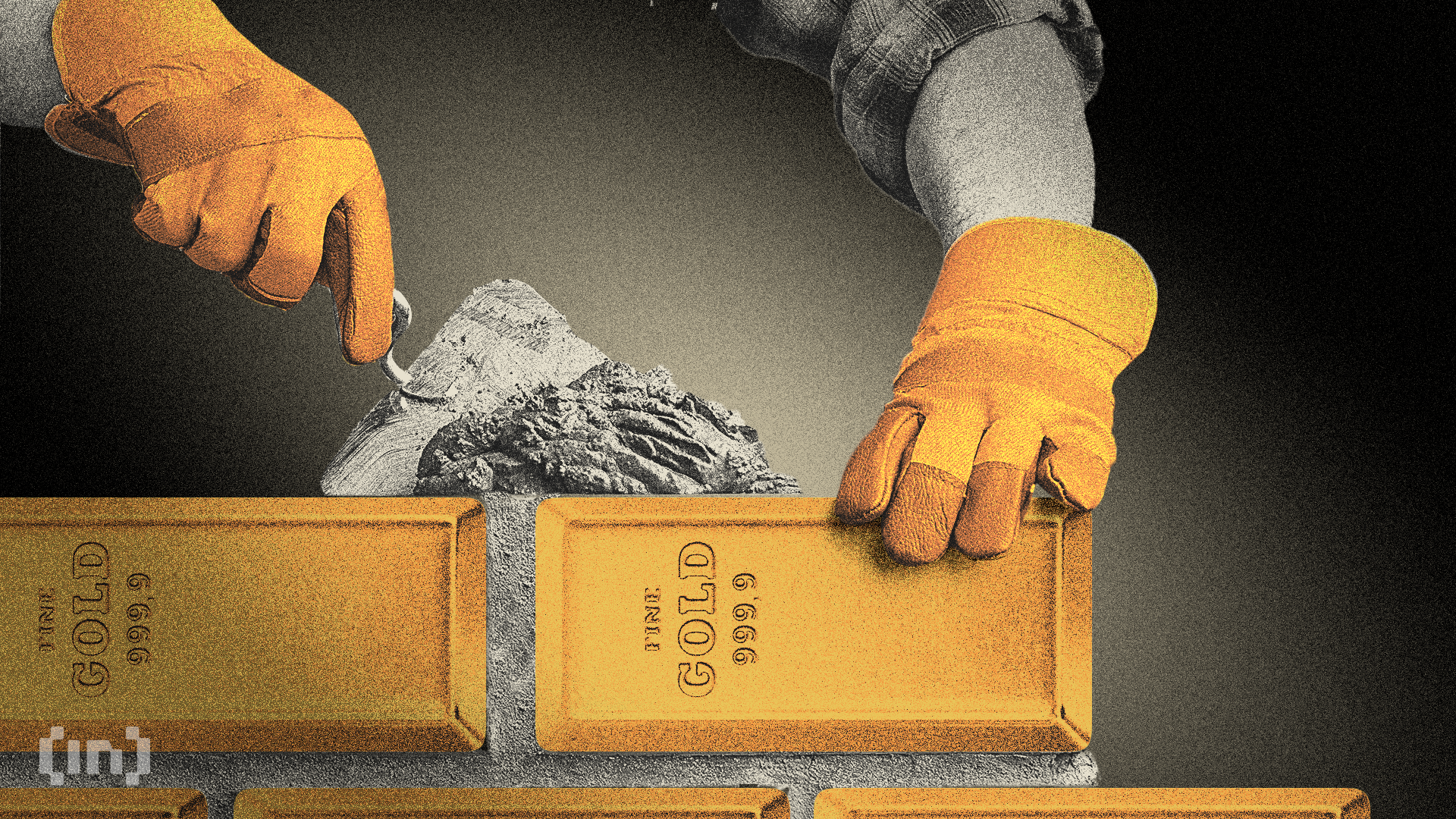
China's central bank added roughly 640,000 troy ounces of gold in July, its biggest monthly purchase since October 2023, extending a buying streak that now spans 21 straight months. The People's Bank of China's reserves rose to just over 76 million ounces by the end of July from under 75.5 million in June, and the hoard is now worth more than $306 billion.
The buying is accelerating
The pace of accumulation is picking up. The PBOC bought 160,000 ounces in March, then 480,000 in June, and 640,000 in July — a fourfold jump in four months. That's not just a China story. Central banks worldwide bought a record 289 tonnes of gold in the second quarter, up 74% from a year earlier, according to the World Gold Council. The buying spree is a signal that officials still see gold as a safe haven, even after a brutal price swing earlier this year.
Gold's rebound and bitcoin's slide
Gold's rally took a hit when the price fell from its all-time high of $5,600 an ounce to under $4,000 within months. But it's recovered 8% in the past week, closing at $4,342 — enough to put it back at breakeven for the year. Bitcoin, meanwhile, is stuck near $65,000, down more than 25% since the start of 2026. The contrast is hard to miss: one asset is getting central-bank support, the other is getting regulatory pushback.
Beijing's push to make Hong Kong a gold hub
Beijing is also moving a large portion of its gold reserves from London to Hong Kong, part of a broader effort to position the city as a precious metals hub. Hong Kong is launching a new gold-clearing system, a concrete step that could shift some of the trading liquidity that traditionally flows through London. The move gives Hong Kong a shot at becoming a serious bullion center, though London's dominance won't be overturned overnight.
Crypto restrictions tighten
At the same time, China reaffirmed that digital asset-related business activities remain illegal, and expanded its scrutiny to cover stablecoins and real-world asset tokenization. The move keeps the door shut for crypto exchanges and token issuers, even as gold enjoys official backing. For crypto traders, it's a reminder that the regulatory environment in China hasn't softened — it's getting more specific.