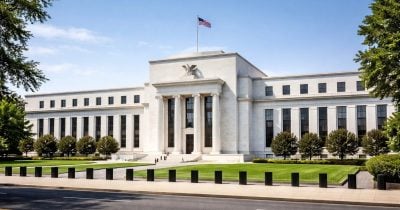
The Federal Reserve is leaning toward keeping interest rates unchanged following a weaker-than-expected July jobs report and fresh signs that inflation is cooling. A hold could steady financial markets in the short term, but the central bank's next moves still hinge on how economic data evolves.
The case for holding rates
July's employment numbers came in soft, giving policymakers a reason to pause after a long stretch of hikes. At the same time, inflation has been easing, which reduces the pressure to keep tightening. Taken together, the two trends point to a Fed that can afford to wait and see.
Holding rates steady would leave borrowing costs where they are. That's a relief for businesses and households that have felt the squeeze of higher lending rates. It also buys the Fed time to gauge whether the slowdown in hiring is a blip or the start of a broader trend.
What a steady Fed means for markets
Investors have been on edge about how much longer the Fed will keep rates elevated. A decision to hold could calm those nerves, at least for now. Stable rates often translate into less volatility across stocks and bonds, as traders no longer have to price in an immediate shift.
But the relief might not last. The same weak jobs report that supports a hold also raises questions about the strength of the economy. If growth falters, markets could start betting on rate cuts instead of just a pause. That would change the calculus entirely.
What could shift the outlook
Nothing is set in stone. Future inflation readings will be the biggest factor in what the Fed does next. If price pressures flare up again, the central bank could be forced back into hiking mode, even with a soft labor market.
Economic shifts beyond inflation matter too. A sudden deterioration in consumer spending or a jump in unemployment would push policymakers toward a different response. The Fed has repeatedly said its decisions are data-dependent, and that's not just a phrase — it means each new report gets scrutinized for clues.
The next policy meeting will be watched closely, but the real signal may come from the inflation data released in the weeks before. Until then, the hold is likely, not certain.