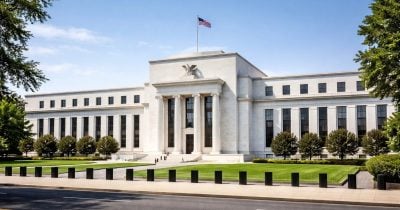
The Federal Reserve is expected to keep interest rates steady when policymakers meet next week, a shift driven by a weaker-than-expected jobs report. If rates stay put, the opportunity cost of holding non-yielding investments like gold, bitcoin, and growth stocks falls, which could give risk assets a fresh tailwind.
Why the jobs report changed the calculus
The latest employment data came in soft, raising questions about how much slack remains in the labor market. For months, the Fed had signaled it was in no rush to cut rates, but a hiring slowdown changes the picture. When job growth falters, the central bank often prefers to hold off on tightening further, or even consider easing, to avoid choking off economic momentum.
A rate hold now would mark a pause after a long stretch of aggressive hikes. The Fed has been fighting inflation, but a cooling jobs market suggests its policy may already be biting harder than intended. Holding steady gives the central bank time to assess the data without slamming the brakes on hiring.
What a hold means for risk assets
Interest rates sit at the center of every investment decision. When rates are high, cash and short-term bonds offer decent yields, pulling money away from assets that don't pay interest. But if the Fed holds rates, those yields stay capped, and the relative appeal of riskier holdings climbs.
Stocks, especially tech shares with long-dated earnings, tend to benefit when the cost of capital stops rising. Cryptocurrencies and precious metals, which generate no income, also become more attractive because the penalty for holding them shrinks. The logic is simple: if you can earn 5% in a savings account, you need a good reason to own bitcoin. If that yield stays put, the bar lowers.
Traders have already started positioning for this scenario. The market's reaction to the jobs report was muted, but the expectation of a hold is now baked into many forecasts. That doesn't mean a rally is guaranteed, but it removes one source of downward pressure.
The Fed's balancing act
The central bank isn't just thinking about asset prices. Its dual mandate covers maximum employment and stable prices. A weak jobs report pulls one way, while inflation still runs above target pulls the other. Holding rates lets the Fed claim it's not ignoring the labor market, while also avoiding a premature cut that could reignite price pressures.
There's also a risk that holding too long could allow the economy to slow further. But with inflation still sticky, the Fed has limited room to move. A pause is the safest middle ground, and the market seems to agree.
The decision isn't official until the meeting concludes, but the language in recent Fed communications points toward patience. No one is expecting a hike, and the only real question is whether the statement signals a cut later this year.
What to watch next
The Fed's next policy announcement will be the main event, but the data calendar doesn't stop. Another weak jobs number or a sharp drop in consumer spending could force the central bank's hand. If inflation cools faster than expected, a hold today might turn into a cut by fall.
For now, the market is betting on stability. That's a bet that risk assets can keep their footing, as long as the economy doesn't tip into recession. The jobs report was a warning shot, and the Fed appears ready to listen.