The Federal Reserve is expected to raise interest rates by 2026, with Kevin Warsh playing a central role in the decision, according to recent projections. The anticipated move comes as policymakers weigh the need to curb persistent inflation, though it carries risks for asset valuations and global financial stability.
Why the Rate Hike Is on the Table
The expectation of a rate increase under Warsh reflects a broader effort to tighten monetary policy after years of low borrowing costs. While the Fed has held rates steady in recent months, the shift by 2026 signals a pivot toward more aggressive inflation control. Warsh, who has been linked to the central bank's leadership, would oversee a policy that could raise the federal funds rate by at least a quarter point, possibly more.
Inflation Control and Its Trade-Offs
Higher rates are designed to cool demand and bring down inflation, which has remained above the Fed's 2% target. But the timing matters. If the economy slows too quickly, the rate hike could tip it into a recession. The fact that the increase is planned for 2026 suggests the Fed expects inflation to be stubborn, requiring a preemptive move.
Asset Valuations Under Pressure
Rising rates typically weigh on stocks, bonds, and real estate by making borrowing more expensive and reducing the present value of future cash flows. Investors have already begun adjusting portfolios, with growth stocks and high-yield bonds facing the most immediate headwinds. The expected hike under Warsh could accelerate a rotation into safer assets like Treasuries.
Geopolitical Financial Dynamics
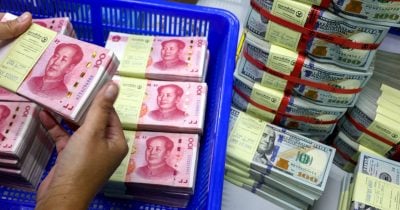
The Fed's rate decision will ripple beyond U.S. borders. A stronger dollar, often a consequence of higher rates, can strain emerging-market economies that carry dollar-denominated debt. It also shifts capital flows, as investors seek higher returns in the U.S. The geopolitical impact is still unfolding, but central banks in Europe and Asia are already recalibrating their own policies in response.
The timeline for these rate increases remains uncertain, but the expectation alone is already shaping market behavior. The next clues will come from Warsh's public appearances and any signals from the Fed's open market committee.