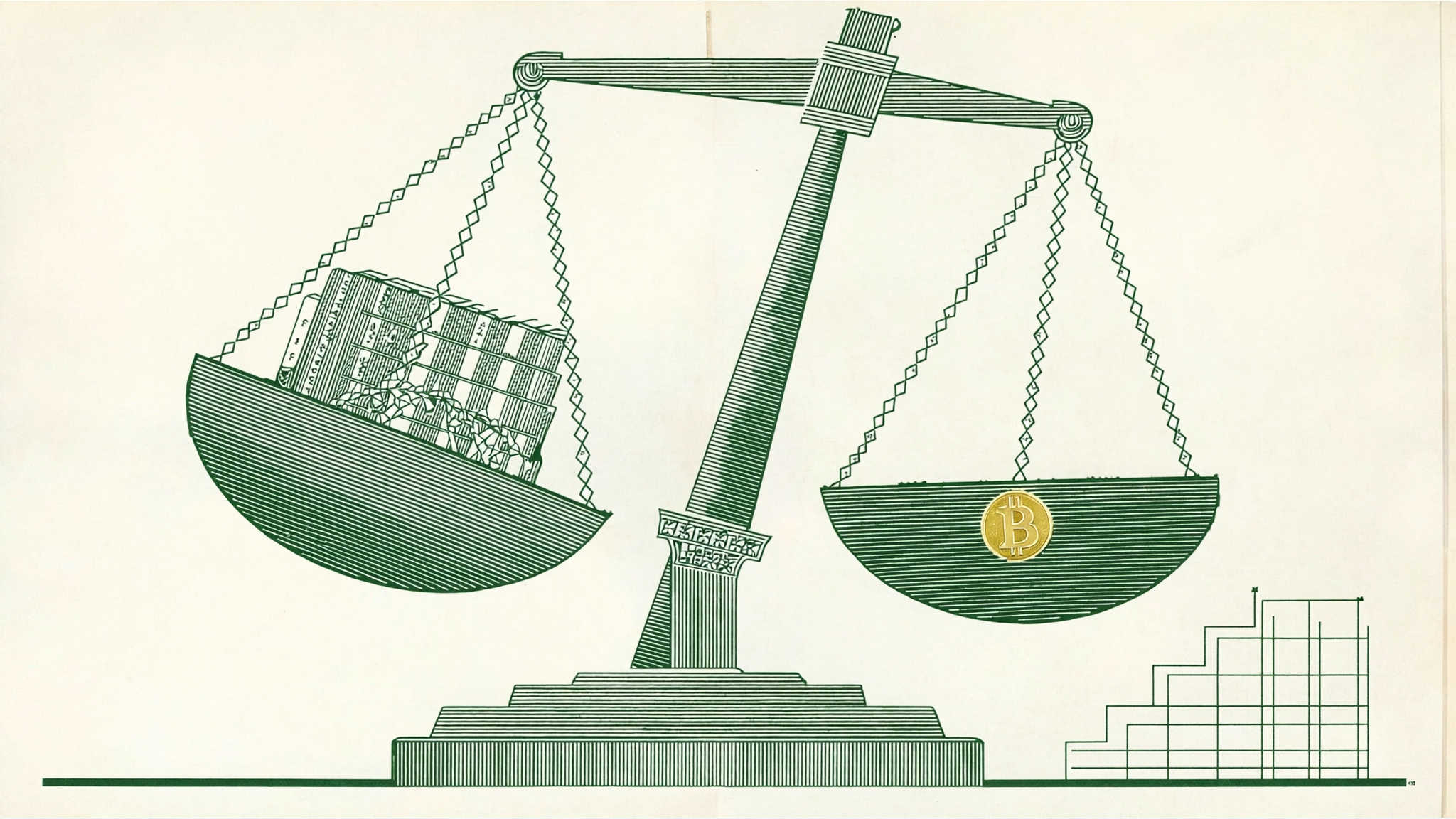
Gold prices fell this week, caught between rising US-Iran tensions and growing expectations that the Federal Reserve will hike interest rates. The dual pressures pushed the precious metal lower, even as geopolitical uncertainty often drives investors toward safe-haven assets.
Why the drop happened
The sell-off comes as traders reassess the Fed's next move. Strong economic data and persistent inflation have fueled bets that the central bank will raise rates again at its upcoming meeting. Higher rates make gold less attractive because the metal pays no interest, and a stronger dollar—often a side effect of rate hikes—further weighs on prices.
At the same time, US-Iran tensions escalated, with both sides trading threats over nuclear negotiations and military posturing in the Persian Gulf. Historically, such friction would boost gold demand. But this time, the rate-hike narrative appears to have overwhelmed the geopolitical risk premium.
The Fed's tightening path
Investors are now pricing in a higher probability of a rate increase in the next few months. The Fed has signaled it remains data-dependent, but recent jobless claims and consumer spending figures have come in hotter than expected. That has pushed bond yields higher, drawing money away from gold.
Some analysts argue that the market may be overreacting. The central bank could still pause if inflation shows signs of cooling. But for now, the consensus leans toward another hike.
Geopolitical risk takes a back seat
Rising US-Iran tensions would normally be a bullish signal for gold. The two countries have been locked in a standoff over Iran's nuclear program, and the US has deployed additional naval assets to the region. Yet gold failed to rally, suggesting that traders see the Fed's policy as the dominant force.
“The market is focused squarely on interest rates,” one commodities strategist told Reuters. “Geopolitical headlines are being ignored unless they escalate into a real conflict.”
A long-shot prediction
Despite the current downturn, a prediction market gives gold a 2.1% chance of reaching $15,000 by December. That figure reflects a speculative bet on a catastrophic scenario—hyperinflation, a dollar collapse, or a major geopolitical shock. Most analysts dismiss it as unrealistic, but the mere existence of such a wager shows how extreme outcomes are being priced in by a small slice of traders.
The next Fed policy decision is due in early May. Until then, gold's direction will likely hinge on inflation data and any fresh developments in the Iran standoff.