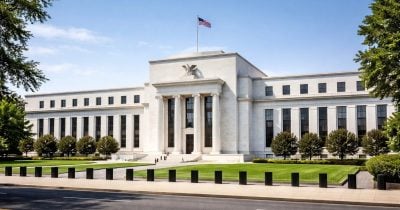
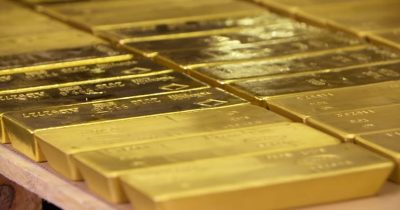
Gold prices held steady around $4,345 an ounce after US jobs data came in weaker than expected, a sign that the Federal Reserve may be less inclined to push interest rates higher. That shift in the policy outlook is already reshaping how investors approach inflation hedging and broader market dynamics.
Why the jobs data matters
The latest employment figures fell short of forecasts, suggesting the labor market is cooling. For the Fed, that complicates the rate decision. Strong hiring has been a key reason to keep tightening, but with the job market softening, the case for more hikes weakens. The report adds to a growing sense that the economy is losing momentum, and that's not lost on traders who have been betting on a more cautious central bank.
Gold, which offers no yield, typically benefits when rate hike expectations fade. Higher rates make cash and bonds more attractive, pulling money away from bullion. With those expectations now dampened, gold is holding its ground near $4,345, a level that suggests buyers are still willing to step in.
Gold's safe-haven appeal
The relationship between gold and interest rates is well established. When the Fed signals a pause, the opportunity cost of holding gold drops. That's exactly what's happening now. The metal's steadiness isn't just about inflation—it's also about the changing calculus of what to hold in a portfolio when the rate outlook turns less aggressive.
Investors who bought gold as a hedge against inflation are watching this shift closely. A softer Fed stance might ease price pressures over time, but it could also put downward pressure on the dollar. A weaker dollar often supports gold prices, creating a complex backdrop for anyone relying on the metal for protection.
Inflation hedging in transition
The potential shift in Fed policy has direct implications for inflation hedging strategies. Many investors use gold to guard against rising prices, but if the central bank is about to step back, that strategy needs a second look. The interplay between inflation, rates, and the dollar is never simple, and the latest jobs data has thrown a new variable into the mix.
Market dynamics are already responding. Gold's ability to hold near $4,345 after the report shows that traders are weighing both the inflation threat and the prospect of slower growth. It's a delicate balance, and the next few weeks will be critical in determining which way the scale tips.
What to watch next
The next major test comes at the Fed's upcoming policy meeting, where officials will have to reconcile the weaker jobs data with ongoing inflation concerns. Also on the calendar are fresh inflation readings that could provide more clarity on price trends. Until those numbers land, gold is likely to stay sensitive to every piece of economic news that hints at the Fed's next move.
If the data continues to point to a slowdown, gold could see further gains. But if inflation surprises to the upside, the Fed might have no choice but to keep rates elevated, which would pressure bullion. For now, the market is betting on a pause, and gold is holding its line.