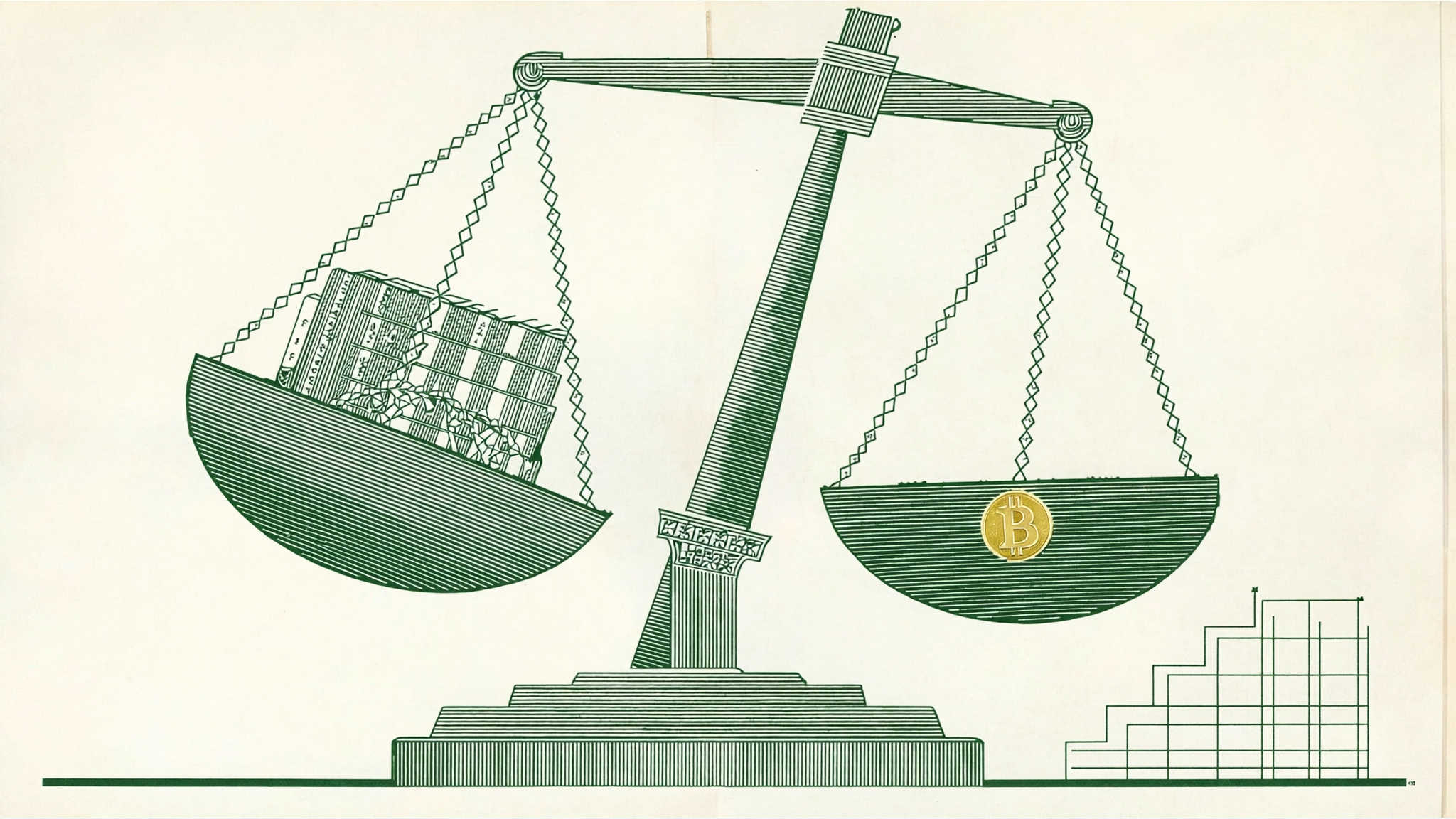
IBM suffered its steepest single-day stock decline in more than five decades on Wednesday, with shares crashing 25% as investors reacted to signs that corporate spending is shifting aggressively toward artificial intelligence infrastructure at the expense of traditional technology services. The rout wiped out roughly $40 billion in market value and marked the company's worst trading session since 1968.
Why the market panicked
The sell-off was triggered by reports that large enterprise customers are reallocating their budgets to build out AI systems, squeezing spending on IBM's legacy hardware, software, and consulting services. While the company itself did not issue a profit warning, the market interpreted the broader trend as a direct threat to IBM's core business, which still relies heavily on mainframes, cloud migration projects, and IT outsourcing.
IBM's stock had already been under pressure this year as investors questioned its ability to keep pace with the AI boom. Wednesday's drop erased all gains made since late 2022 and pushed the shares to their lowest level in over a decade.
The AI spending shift
Corporate budgets are increasingly being redirected toward building and running AI models, which require massive investments in graphics processing units, specialized data centers, and cloud infrastructure from companies like Nvidia, Microsoft, and Amazon. For IBM, which has positioned itself as a hybrid-cloud and AI services provider, the pivot means clients are prioritizing spending on AI infrastructure over traditional IT upgrades and consulting engagements.
IBM's revenue from its consulting and infrastructure segments has been flat or declining in recent quarters, and the company has struggled to convince Wall Street that its own AI platform, Watson, can generate meaningful growth. The market's reaction suggests that investors see the budget shift as a structural change, not a temporary adjustment.
What's at stake for IBM
The company has been trying to reinvent itself under CEO Arvind Krishna, who took over in 2020 and accelerated the spin-off of managed infrastructure unit Kyndryl. IBM has also made acquisitions in the AI and hybrid-cloud space, including the $21 billion purchase of Red Hat in 2019. But the stock crash indicates that those moves have not been enough to insulate the company from the broader spending realignment.
IBM's dividend yield, which had attracted income-focused investors, now sits at over 5% after the price drop, but that could be at risk if earnings continue to deteriorate. The company's debt load and pension obligations add further pressure.
Broader market implications
The IBM rout also dragged down other legacy tech stocks, as investors reassessed which companies might be vulnerable to the AI budget shift. However, the sell-off was largely contained to IBM, with the broader S&P 500 and Nasdaq indexes recovering from early losses. The divergence highlights how the AI boom is creating winners and losers in the tech sector.
For now, the question hanging over IBM is whether it can adapt its business model fast enough to capture a piece of the AI spending wave, or whether it will continue to lose ground to more nimble competitors. The company's next quarterly earnings report, due in April, will provide the first concrete look at how the budget shift is affecting its revenue and profit margins.