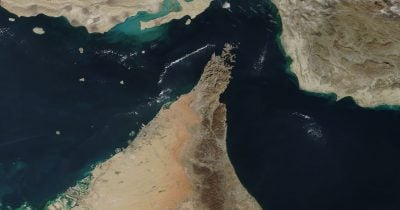
Iran is accusing the United States of launching attacks from regional bases, a charge that raises the risk of a wider conflict and threatens the stability of the Strait of Hormuz. The accusation comes as tensions between the two countries mount, with global market outlooks already feeling the strain.
The Accusation
Iranian authorities have publicly blamed the United States for attacks that they say were carried out from bases in the region. The accusation did not name specific installations or incidents, but it reflects a deepening distrust between the two governments. The charge adds to a pattern of friction that has been building for some time.
Risk of a Wider Conflict
The accusation escalates a standoff that carries the risk of turning into a broader regional conflict. Any direct military exchange between the United States and Iran could draw in other countries and further destabilize the Middle East. The potential for miscalculation is high, and each side's next move will be closely watched.
The Strait of Hormuz Factor
The Strait of Hormuz is one of the world's most critical shipping lanes, carrying a substantial share of global oil and gas exports. The current tensions threaten the strait's stability, and any disruption there would have immediate consequences for energy supplies worldwide. The strait's importance makes the situation especially volatile.
Market Outlooks Under Pressure
The tensions are weighing on global market outlooks. Investors are factoring in the possibility of supply interruptions, and the uncertainty is adding to concerns about economic growth. The situation is fluid, and markets are likely to remain sensitive to any new developments.
The immediate next step is unclear. How the United States responds to Iran's accusation could determine whether the situation de-escalates or moves toward a more dangerous phase.