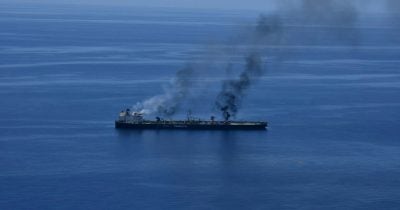
Iran is claiming that a draft agreement under discussion would hand the country control over the Strait of Hormuz and unlock $12 billion in frozen assets. The assertion, made by Iranian officials, has not been confirmed by any other party, and details of the purported deal remain unclear.
A Critical Chokepoint
The Strait of Hormuz is a narrow waterway linking the Persian Gulf to the Gulf of Oman. About a fifth of the world's seaborne oil passes through it daily. Any shift in who controls that passage would have immediate consequences for global energy markets, shipping insurance, and regional military posture. Iran has previously threatened to close the strait during tensions, though it has never fully done so. A formal grant of control would mark a dramatic change in the status quo, but whether such a deal actually exists—and who would be on the other side—is unknown.
The $12 Billion Question
The other element of Iran's claim involves access to $12 billion in assets that it says would be released under the draft deal. Those funds are widely believed to be held in foreign accounts, frozen under sanctions regimes. Iran has long sought to recover such money, but the source and location of these particular assets have not been specified. Without independent verification, it is impossible to assess whether the figure is accurate or what conditions might be attached to its release.
Unanswered Questions
The claim raises more questions than it answers. Which countries or entities are negotiating this draft? Why would they cede control of one of the world's most vital maritime chokepoints? And what, if anything, is Iran offering in return? No government outside Iran has commented on the alleged deal. The timing is also notable: Iran faces ongoing economic pressure and domestic unrest, and such a claim could serve as a bargaining chip or a distraction.
For now, the only concrete facts are the ones Iran has put forward. Without corroboration, the draft deal remains an assertion—not a done deal.