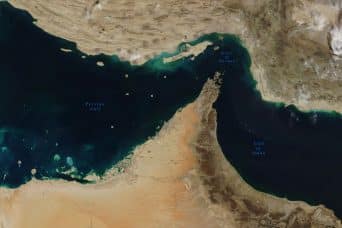
Rising tensions linked to the Iran conflict are driving up global oil prices, and Thailand — a net oil importer — is feeling the squeeze. The latest spike threatens to worsen the country's already elevated inflation, adding pressure on households already grappling with higher living costs.
Oil's outsized role in Thailand's economy
Thailand relies heavily on imported crude to fuel its transport, manufacturing, and power generation sectors. When international oil prices climb, the cost of everything from diesel at the pump to plastic packaging and electricity follows. The Iran conflict has pushed Brent crude above $90 a barrel in recent days, a level that typically translates into steeper import bills for Bangkok.
The country's central bank has been watching the trend closely. Higher energy costs don't just hit drivers — they ripple through supply chains, raising the price of food, construction materials, and consumer goods. For a nation where inflation has already been running above target, the oil jump is unwelcome news.
Thailand's inflation picture turns more complicated
Thailand's headline inflation had been slowly easing in recent months, but the fresh oil surge threatens to reverse that progress. The Bank of Thailand had held its key interest rate steady after a series of hikes, betting that price pressures would moderate. But with crude now more expensive, the central bank faces a tougher call: keep rates unchanged to support a sluggish economy, or raise them again to prevent inflation from re-accelerating.
Food and energy account for a big chunk of Thailand's consumer price index. Higher freight and production costs mean imported inflation could soon show up in grocery bills and at the market. The conflict in Iran adds a layer of uncertainty that policymakers can't control — it's external, geopolitical, and potentially prolonged.
For ordinary Thais, the pain is immediate. Fuel retailers have already adjusted pump prices upward. Bus and taxi fares may follow. Any spike in cooking gas or electricity tariffs would hit low-income households hardest, since they spend a larger share of income on essentials.
The government has tried to cushion the blow with subsidies and price controls on some goods, but those measures have limits. If global oil stays high, the fiscal cost of keeping domestic prices artificially low will mount. That could force officials to let prices rise, passing the burden to consumers.
The Bank of Thailand's next monetary policy meeting is scheduled for mid-May. By then, the full impact of the Iran conflict on oil markets should be clearer. Whether the bank decides to hold or hike depends on how much of the oil spike sticks — and how quickly it feeds into Thai inflation statistics. For now, households and businesses are bracing for higher costs with no obvious end in sight.