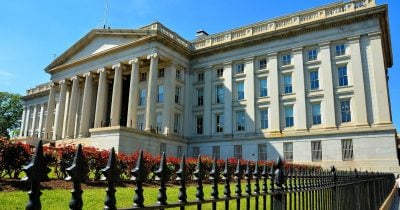
Federal Reserve researchers are singing the praises of prediction markets, especially Kalshi, highlighting their value for both policymakers and researchers. Why? Because these markets rapidly respond to new information and accurately forecast economic data, offering a potentially powerful tool for understanding economic trends. This endorsement comes as Kalshi, the largest CFTC-approved prediction market in the U.S., faces legal challenges regarding its sports contracts.
Federal Reserve Lauds Kalshi's Predictive Power
A recent Federal Reserve paper emphasized Kalshi's ability to provide a "high-frequency, continuously updated, distributionally rich benchmark." This benchmark, according to the Fed, outperforms traditional surveys and financial derivatives in tracking beliefs about key economic indicators like inflation, economic growth, and interest rates. In essence, Kalshi offers a real-time pulse on market sentiment regarding the economic future. This could be a game-changer for understanding how the public and market participants perceive economic policy and its potential impact.
Kalshi: From MIT Startup to Market Leader
Founded in 2018 by MIT graduates Tarek Mansour and Luana Lopes Lara, Kalshi launched its operations in July 2021 and has quickly become a prominent player in the prediction market space. Its contracts are accessible to a broad audience, including retail traders, through popular brokerage platforms like Robinhood and Webull. This accessibility has contributed to its rapid growth and influence. But, how has Kalshi managed to capture so much attention in such a short time?
Sports Contracts Under Scrutiny
While Kalshi has gained traction for its economic forecasting capabilities, its sports contracts have landed it in hot water. In 2025, these contracts generated a staggering 89% of Kalshi's $263.5 million in fee revenue. However, this success has attracted legal challenges in over ten states, which argue that the contracts constitute illegal gambling. The debate hinges on whether these contracts are a legitimate form of prediction or simply a veiled form of wagering.
Trump Administration Backs Prediction Markets
Amidst these legal battles, Kalshi and Polymarket have found an ally in the Trump administration, which has reportedly supported their fight against state-level bans. This support underscores the potential value that policymakers see in these platforms. The administration's stance suggests a belief that prediction markets offer valuable insights, despite the concerns raised by some states.
Partnerships and Future Prospects for Prediction Markets
Despite the regulatory hurdles, Kalshi has forged ahead, securing partnerships with major news networks like CNN and CNBC in December 2025 to display live prediction odds. This move has further mainstreamed prediction markets, bringing them to a wider audience. Furthermore, Bitwise Asset Management has filed to launch ETFs tied to election markets, signaling growing interest from the financial industry. What does this mean for the future of prediction markets? Will they become an integral part of our financial and political landscape?
Conclusion: Kalshi Navigates Regulatory Landscape as Usefulness Grows
Kalshi's journey highlights the growing importance and potential of prediction markets. The Federal Reserve's endorsement underscores their value in forecasting economic trends. As Kalshi continues to navigate legal challenges and expand its reach, its role in providing insights into market sentiment and future events will likely only increase. With growing support and innovative new financial products on the horizon, the future looks bright for Kalshi and the broader prediction market ecosystem. Will you be using Kalshi to make predictions soon?