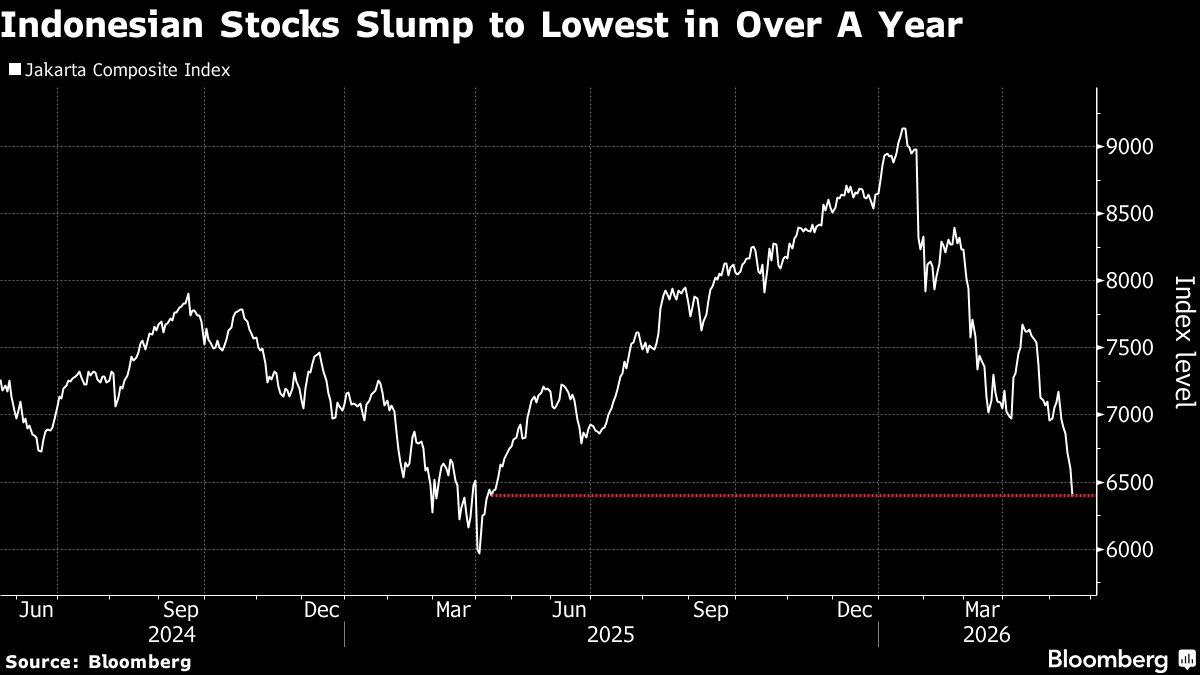
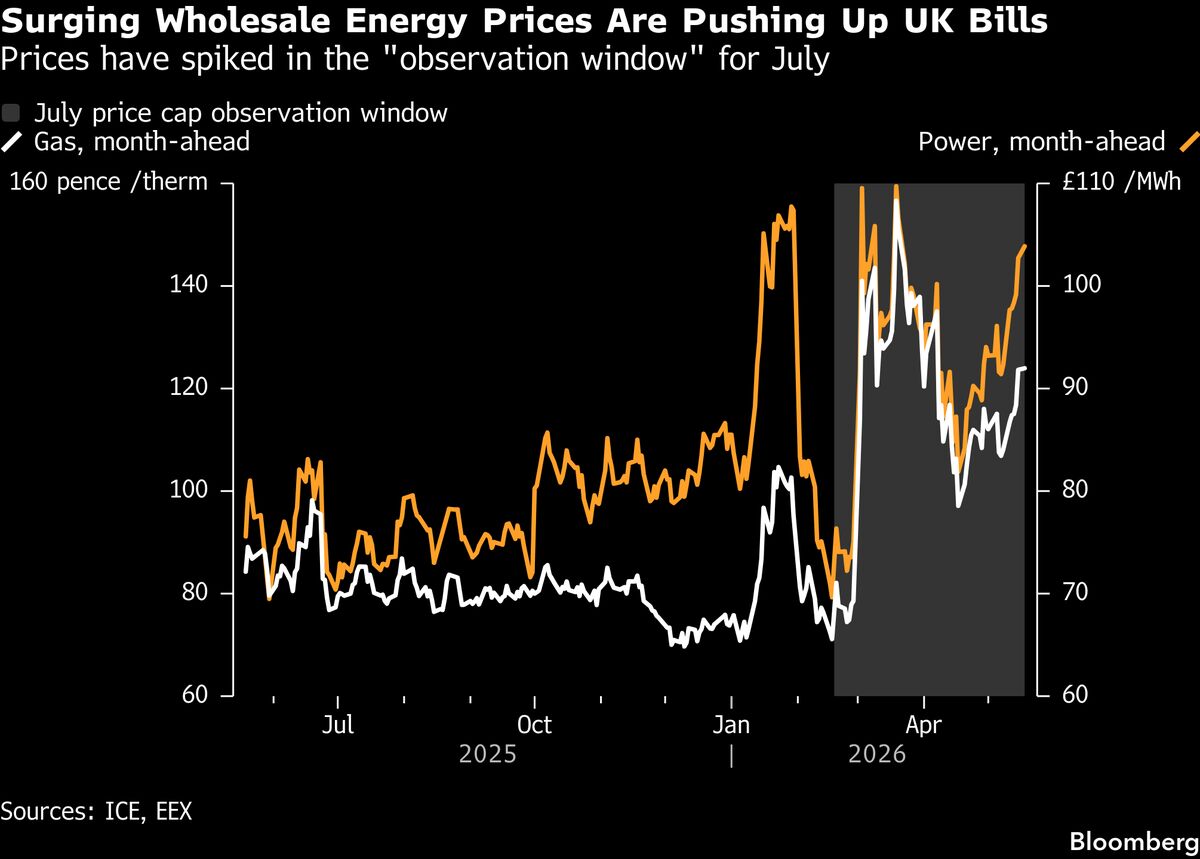
OECD Secretary General Mathias Cormann said Saturday that the ongoing Iran war is putting 'downward pressure on growth and upward pressure on inflation' – a classic stagflation warning that threatens to prolong the bearish conditions already gripping crypto markets. Cormann spoke on the sidelines of a Group of Seven meeting in Paris, according to Bloomberg's Oliver Crook. The statement arrives as crypto trading volumes remain low and sentiment indicators continue to flash extreme fear.
Why stagflation hits crypto hardest
Stagflation – rising inflation combined with slowing growth – is a worst-case scenario for risk assets like cryptocurrencies. Central banks facing this dilemma can't cut rates to support the economy without fueling inflation, and they can't hike without deepening a recession. Either outcome chokes off the speculative liquidity that has historically driven crypto rallies. The OECD's explicit linkage of the Iran conflict to both sides of that equation gives investors a clear macro reason to stay defensive.
📊 Market Data Snapshot
Crypto's unique vulnerabilities
The Iran war also creates crypto-specific pressures that most macro coverage misses. Higher oil prices directly raise electricity costs for Bitcoin miners, especially those reliant on fossil fuels. If Bitcoin prices fall further, unprofitable miners may be forced to sell reserves, adding to sell pressure. Separately, the same stagflation scenario poses risks for stablecoin issuers like Tether, whose reserves include short-term Treasuries and commercial paper. A credit crunch or inflation-driven impairment of those assets could trigger a de-pegging event – something the market has not priced in.
A contrarian case for the bottom?
Despite the bearish headlines, some traders note that the OECD's warning is already broadly expected. Crypto's Fear & Greed index is hovering in extreme fear territory, and Bitcoin has already shed about 1.2% over the past week. In past geopolitical shocks, such extreme pessimism has sometimes marked a local bottom as contrarian buyers step in. The question is whether this time is different, given that the Iran war shows no signs of de-escalation.
For now, G7 finance ministers are expected to continue their discussions Sunday, with any coordinated policy response likely to influence crypto's next move. The market is watching for signals on whether major economies will prioritize fighting inflation over supporting growth – a decision that will determine whether the current bearish phase becomes a prolonged consolidation or a deeper rout.