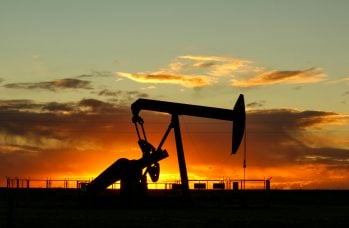
Oil prices ticked higher on Tuesday after reports surfaced that Iran has drafted a plan to restrict traffic through the Strait of Hormuz. The draft, still in its early stages, was enough to jolt a market that has spent months watching for any sign of disruption in the narrow waterway.
The Draft Plan
Few details are public about what the restrictions would look like or how they'd be enforced. What's clear is that the mere suggestion of limiting movement through the strait moved prices. Traders responded within hours, and the uptick reflects a broader anxiety that any tampering with this route could ripple through supply chains far beyond the region.
Iran has not formally announced the plan, and there's no timeline for when or if it might take effect. But the draft itself signals that Tehran is willing to wield its geographic leverage, even before anything concrete is on the table.
Why the Strait Matters
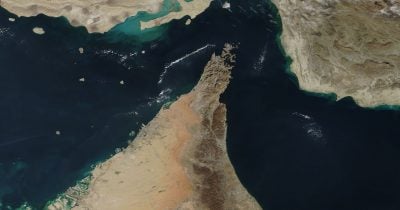
The Strait of Hormuz sits between the Persian Gulf and the Gulf of Oman. A significant portion of the world's oil passes through it daily, making it one of the most critical chokepoints for global energy supplies. When the threat of restrictions emerges, it doesn't just affect regional producers—it ripples through every market that depends on that crude.
The rise in prices is a direct response to that reality. It's a reminder that the global economy runs on a delicate pipeline of tanker routes, and any political friction near a key artery can translate into higher costs at the pump and on factory floors.
Economic Vulnerability on Display
The move highlights how exposed the global economy remains to geopolitical tension. Even a draft plan, with no enforcement mechanism attached, is enough to send prices upward. That vulnerability cuts both ways: it gives the country controlling the strait outsized influence, and it leaves the rest of the world scrambling to price in risks that may never materialize.
Higher energy costs, if they stick, would feed into inflation and could destabilize markets that are already skittish. The potential for instability is real, even if the immediate impact is limited to a few percentage points on a barrel.
The coming days will show whether this draft turns into something more formal. For now, the market is watching, and the price of oil is the clearest signal of just how on edge traders are.