Oil prices are sliding as the prospect of increased supply from Iran grows alongside progress in US-Iran diplomacy. The market's focus now shifts to Kevin Warsh, whose upcoming guidance could set the tone for energy and broader financial markets.
The Iran factor
Talks between Washington and Tehran have picked up pace in recent days, raising expectations that sanctions on Iranian crude could ease. Iran holds some of the world's largest oil reserves, and even a partial return of its barrels to global markets would add to a supply picture already under pressure from weaker demand forecasts. Traders are pricing in the possibility of an agreement that unlocks Iranian exports, pushing Brent and WTI benchmarks lower.
The timing matters. With OPEC+ already planning to unwind some production cuts later this year, extra supply from Iran could tip the market into surplus sooner than many expected. That's a big reason prices are sliding now, not after a deal is signed.
Warsh on deck
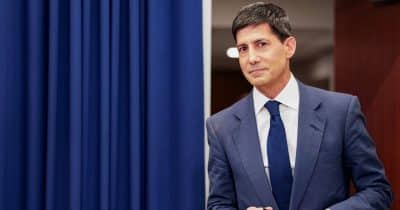
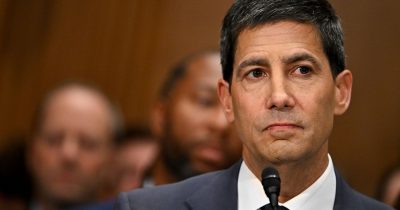
Kevin Warsh, the former Federal Reserve governor who now serves as an influential voice on economic policy, is scheduled to speak later this week. Markets are hungry for any signal about the path of interest rates, especially after recent data showed sticky inflation. Warsh has been vocal in the past about the risks of keeping policy too loose, and his views on how lower oil prices might change the inflation calculus are drawing particular attention.
If Warsh suggests that falling energy costs will let the Fed ease off, it could lift stocks and bonds alike. If he warns that underlying inflation remains too hot, the relief rally might fizzle fast. Either way, his words will shape the next move in oil and other risk assets.
What lower oil could mean
A sustained drop in oil prices would be a net positive for most economies. Cheaper fuel cuts production costs, puts more money in consumers' pockets, and takes the edge off inflation. That's why sliding crude has boosted hopes for a softer landing — the scenario where the Fed tames inflation without tipping the US into recession.
Risk appetite is already improving. Equities have edged higher, and bond yields have dipped as traders bet on a more dovish central bank. But the optimism comes with a caveat: the diplomatic track between the US and Iran is fragile. Any breakdown in talks could reverse the supply narrative overnight, sending oil prices right back up.
Investors are also watching how oil-sensitive sectors react. Airlines and shipping companies, which burn huge amounts of fuel, stand to gain if prices stay low. Energy producers, on the other hand, could see their margins squeezed.
Uncertainty ahead
For all the positive vibes, uncertainty remains the dominant theme. No one knows exactly when — or if — Iranian oil will actually flow freely. The negotiations are complex and involve not just the US and Iran but also European intermediaries, regional powers, and even OPEC's internal dynamics.
Traders are therefore hedging their bets. Options markets show elevated demand for protection against both a further drop and a sudden spike in crude. The next clear signal will come from Warsh's remarks, but even his guidance won't resolve the geopolitical ambiguity. Until a deal is finalized — or falls apart — oil prices will keep swinging on every rumor from Vienna or Washington.