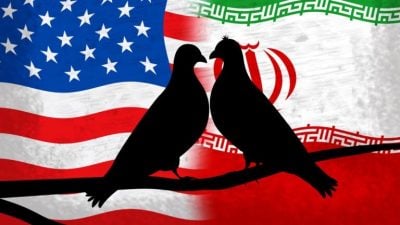
The war in Iran has sent oil prices soaring as shipping through the Strait of Hormuz grinds to a halt. Global energy markets are now facing a supply shock that threatens to ripple across economies worldwide. The crisis lays bare just how quickly geopolitical tensions can upend the flow of crude.
Why the Strait matters
About a fifth of the world's oil passes through the narrow waterway between Iran and Oman. That makes it the single most important chokepoint for seaborne petroleum. With the conflict blocking tanker traffic, buyers are paying a steep premium for every barrel they can get. Benchmarks jumped sharply within hours of the disruption, and the rally hasn't let up.
Market fallout
Futures contracts for both Brent and West Texas Intermediate hit multi-year highs. Traders are pricing in the risk of a prolonged outage, and that uncertainty alone has added dollars to the cost of crude. The spike is already filtering into gasoline and diesel prices at the pump, pinching consumers and businesses alike.
Economic stakes
The situation has the potential to destabilize economies worldwide. Nations heavily dependent on oil imports — including many in Asia and Europe — now face higher energy bills and tighter supplies. Central banks, which have been fighting inflation, could see those efforts complicated by a fresh wave of cost pressures. The crisis underscores the vulnerability of global energy markets to disruptions in key transit routes.
What comes next
Diplomatic efforts to reopen the Strait of Hormuz have so far failed to produce a breakthrough. Military escorts for commercial vessels remain a possibility, but any such move carries its own risks. For now, the world waits to see whether the conflict widens or stabilizes. The coming weeks will test how much strain the global oil system can absorb before the broader economy feels the full blow.