Warsaw — The National Bank of Poland left its benchmark interest rate unchanged this week, bucking expectations for a hike as inflation pressures from the conflict in Iran continue to build. The decision places Poland among a growing number of central banks that are pausing rate moves amid geopolitical uncertainty.
Why the central bank held its ground
Poland's Monetary Policy Council voted to keep the main rate at 5.75%, according to a brief statement released after its two-day meeting. The bank cited elevated inflation driven by higher energy costs and supply-chain disruptions linked to the Iran conflict. Officials said the current rate level remains appropriate for now, but warned that price stability risks are tilted to the upside.
The decision came as a surprise to some economists, who had expected a quarter-point increase after consumer prices rose 4.2% in July — above the central bank's 2.5% target. But the council argued that holding rates gives the economy breathing room while the full impact of the Iran situation plays out.
Geopolitical tensions force a cautious approach
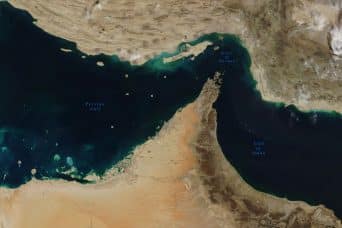
The Iran conflict has pushed global oil prices up by roughly 12% since June, hitting import-dependent economies like Poland especially hard. The central bank noted that energy inflation could persist if the conflict escalates further. At the same time, slower growth in the eurozone, Poland's main export market, tempers the need for aggressive tightening.
This balancing act mirrors moves by other central banks. The European Central Bank kept rates unchanged last month, and the U.S. Federal Reserve held steady at its July meeting. All are waiting to see whether inflation from the Middle East fades or becomes entrenched.
What comes next for Polish borrowers
For Polish households, the rate hold means mortgage payments won't rise immediately. But the council left a clear door open for future increases. Governor Adam Glapiński has previously said that if inflation expectations de-anchor, the bank will act.
The next rate decision is scheduled for October 3. By then, the central bank will have a fuller picture of how the Iran situation is affecting energy markets and consumer prices. If oil stays above $90 a barrel, another hold becomes less likely. If the conflict eases, Poland may avoid a hike altogether.
The risk that inflation sticks around longer than the bank currently expects is real — and that uncertainty is exactly why the council chose to wait rather than move now.