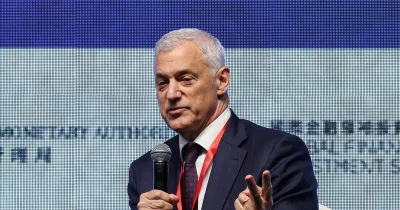
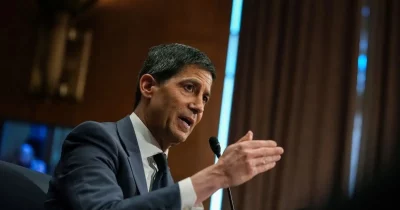
Richmond Federal Reserve President Thomas Barkin said Monday that the central bank's current monetary policy is well-positioned to absorb economic shocks. His remarks come as markets weigh the Fed's cautious stance against persistent supply-side disruptions that could complicate inflation control.
Policy posture and market stability
Barkin described the existing policy framework as appropriately calibrated for the uncertainties ahead. The Fed has held interest rates steady for several months, a stance that Barkin suggested may help calm volatile financial markets. Investors have been parsing mixed signals on inflation and growth, and the central bank's deliberate pace has offered a rare anchor.
The cautious approach, Barkin indicated, buys time for policymakers to assess incoming data before making further adjustments. It also reduces the risk of overreacting to short-term fluctuations — a concern when supply-chain snarls or energy price jumps distort the economic picture.
The supply shock dilemma
Barkin warned that frequent supply shocks could test the Fed's ability to manage inflation without hurting economic growth. When a sudden shortage pushes prices up, the typical remedy — raising rates — risks slowing demand too much. If the shock is temporary, tight policy might cause more damage than the original price spike.
Supply shocks have become more common since the pandemic, from semiconductor shortages to port backups and agricultural disruptions. Each event forces the Fed to distinguish between a transient blip and a lasting inflation threat. Barkin's comments highlight the difficulty of that judgment call when shocks arrive one after another.
What the cautious stance means
The Fed's reluctance to shift policy aggressively reflects this uncertainty. By keeping rates where they are, officials can wait for clearer signals. Barkin's phrasing — “well-positioned” — suggests the central bank sees its current settings as adequate for now, but not necessarily permanent. Any deterioration in the inflation outlook could prompt a reassessment, though he did not signal an imminent move.
The balance is delicate. If shocks persist, inflation could become entrenched, forcing the Fed to tighten later. If the economy slows first, the same policy could become too restrictive. Barkin's remarks offer no specific timeline but underline that the Fed is watching both sides of that equation closely.
The question hanging over the next few months is how many more supply shocks the economy can absorb before the Fed has to choose between fighting inflation and protecting growth.