U.S. stock futures were mixed Monday as escalating Middle East tensions and a broad unwind of artificial intelligence-related trades weighed on investor sentiment. The Dow Jones Industrial Average futures edged higher, while S&P 500 and Nasdaq futures pointed to a weaker open, reflecting a split between defensive sectors and the tech-heavy names that have driven much of this year's rally.
Geopolitical Jitters Take Center Stage
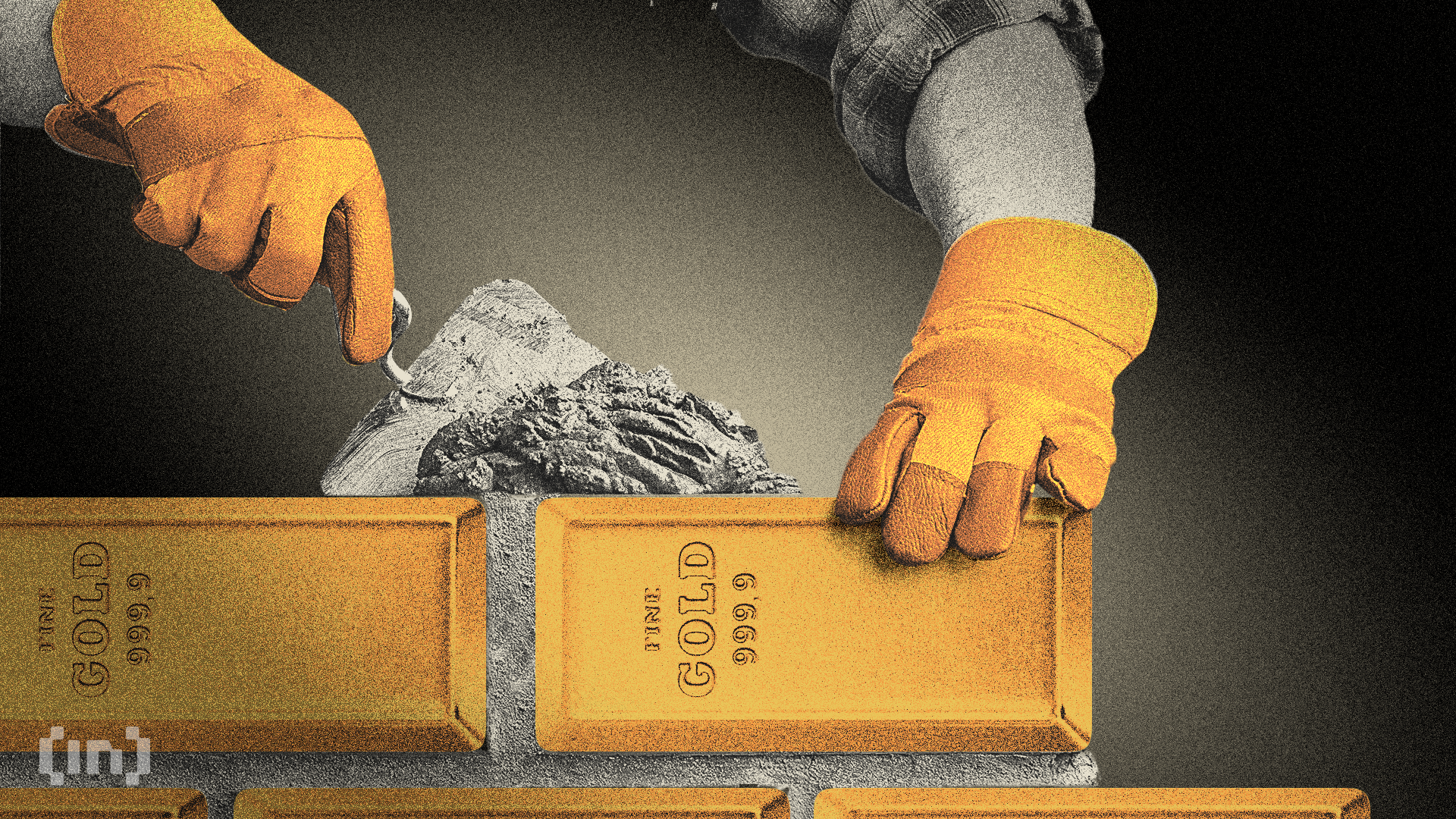
Renewed conflict in the Middle East has injected fresh uncertainty into global markets. Oil prices climbed as traders priced in potential supply disruptions, while safe-haven assets like gold and U.S. Treasuries saw increased demand. The move higher in bonds pushed yields lower, a classic flight-to-safety pattern that often pressures equity valuations.
The situation remains fluid, with no clear resolution in sight. Investors are watching for any escalation that could further destabilize the region and ripple through energy markets. The interconnectedness of global equities means that shocks in one area can quickly spread, and Monday's futures action reflected that reality.
AI Trade Unwind Accelerates
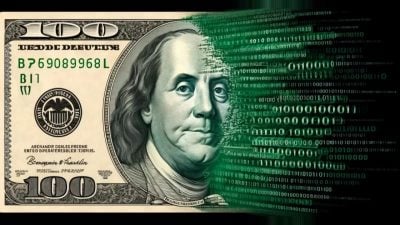
Adding to the pressure, a sharp pullback in AI-related stocks compounded the market's woes. After a months-long surge fueled by enthusiasm for generative AI and massive capital spending by tech giants, some traders are now taking profits. The unwind hit names like Nvidia and other chipmakers, which had been the darlings of the AI boom.
The correction in AI stocks highlights the vulnerability of the tech sector to shifts in sentiment. When a handful of mega-cap names drive a large portion of market gains, any reversal can have outsized effects. Monday's futures suggested that investors are reassessing the lofty valuations attached to AI winners, especially as geopolitical risks cloud the outlook for global growth.
Volatility Exposes Market Fault Lines
The combination of geopolitical tensions and a tech sector correction underscores the fragile state of current market dynamics. Volatility indices ticked higher, and analysts pointed to the difficulty of predicting near-term moves when two such powerful forces are at play. The mixed futures signal that there's no clear consensus among traders about which direction the market will break.
Investor sentiment is clearly impacted by the dual headwinds. On one hand, the Middle East situation could escalate further, driving a sustained risk-off tone. On the other, the AI trade unwind might be a healthy correction that resets valuations before the next leg higher. For now, the market is caught between these competing narratives.
Traders are now watching for any further developments in the Middle East and upcoming earnings reports from major tech companies, which could provide clues about the sustainability of AI-driven growth.