The blockade at the Strait of Hormuz is raising alarms over a potential spike in West Texas Intermediate crude oil prices. The disruption to one of the world's most critical energy chokepoints underscores a vulnerability that has long worried markets and policy makers. It could also speed up the transition to alternative fuels.
Why the blockade matters for oil prices
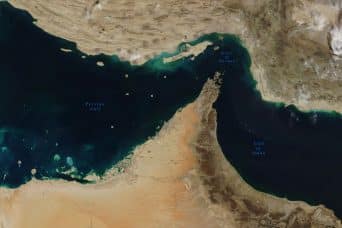
About a fifth of the world's oil passes through the Strait of Hormuz every day. Any interruption there ripples directly into global crude benchmarks, especially WTI, which is heavily traded by U.S. refiners. The current blockade has already pushed futures higher as traders factor in the risk of a prolonged supply cut. The strait's narrow shipping lanes make it easy to disrupt — and hard to bypass without a major detour.
So far, no official estimates on how much supply has been lost have been released. But the mere possibility of a sustained blockage is enough to keep prices elevated. The situation is fluid, and every extra day adds to the pressure on storage levels and shipping schedules.
The push for energy diversification
The blockade doesn't just affect today's prices. It's a stark reminder of how dependent the global economy remains on a single geographic bottleneck. That reality is reigniting calls for energy diversification. Countries that rely heavily on Gulf oil are looking again at their options — from renewable energy projects to electric vehicle adoption and hydrogen development.
The shift to alternative fuels has been gradual, but events like this tend to accelerate timelines. Investment in solar and wind capacity could get a boost as governments weigh the cost of fossil fuel dependence. Some industry observers point out that the blockade may make energy independence a more urgent political priority.
What comes next
The immediate question is how long the blockade will last. Diplomatic efforts are underway, but no clear resolution has emerged. In the meantime, the oil market is pricing in uncertainty. For WTI traders, that means watching the strait's status hour by hour.
For everyone else, the blockade is a wake-up call. It's a concrete event that shows why diversification isn't just an environmental goal — it's a security measure. How long the blockade continues will determine whether this crisis becomes a turning point.