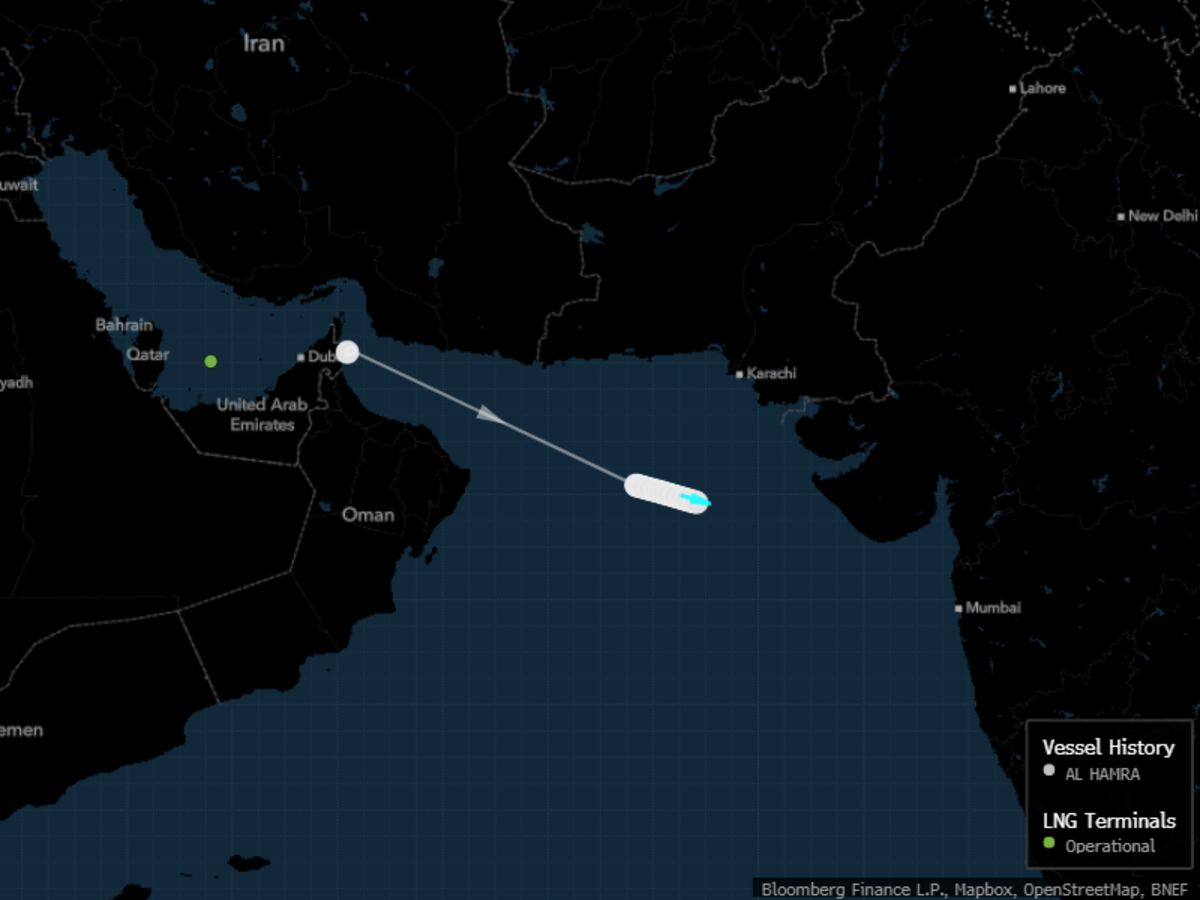
A power struggle in the Strait of Hormuz is rattling global markets this week, sending oil prices higher and pushing risk assets lower. For crypto, the immediate reaction has been a sharp risk-off move, with Bitcoin trading around $73,845 and the Fear & Greed index sinking to 28 — deep in fear territory. But beyond the selloff, the crisis is forcing nations to compete for control of other vulnerable waterways, a scramble that could reshape supply chains and, indirectly, boost demand for decentralized infrastructure networks.
Why the Strait matters for crypto
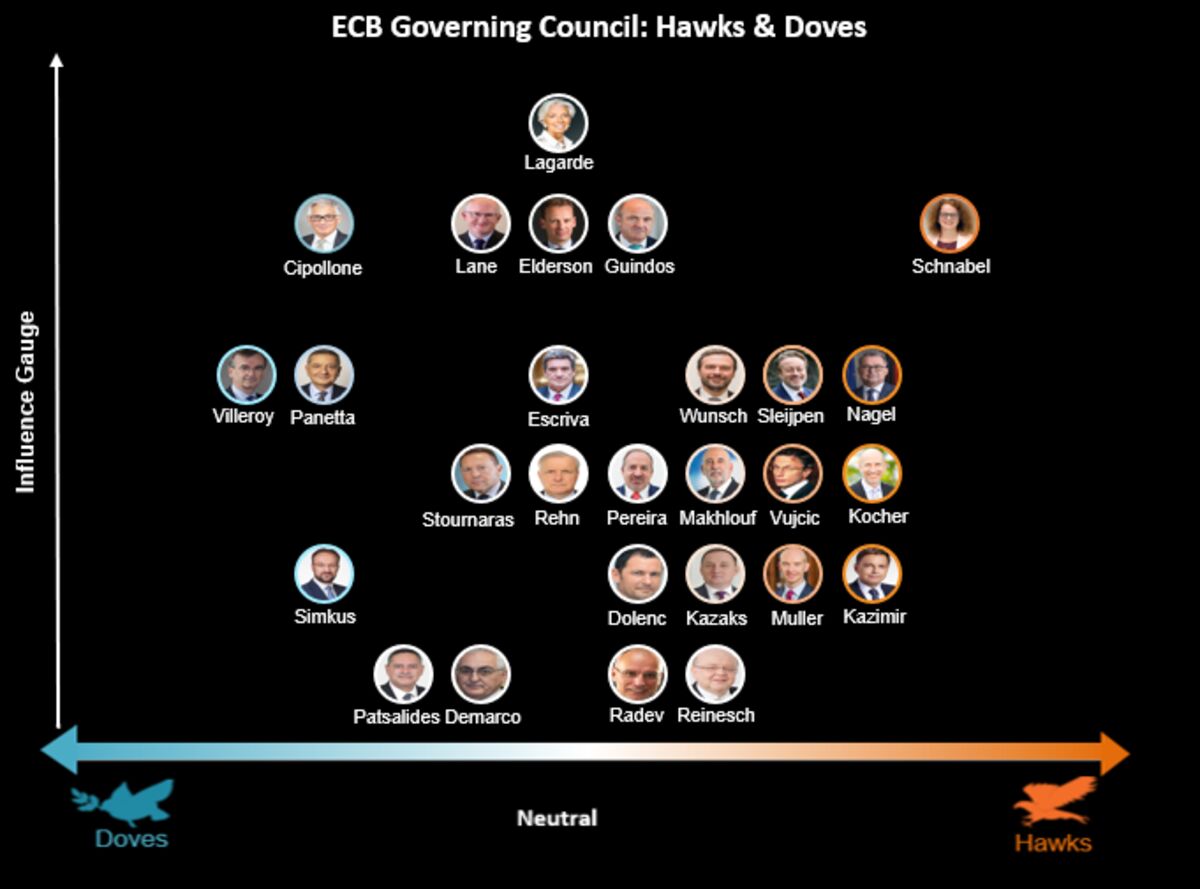
The Strait of Hormuz is a chokepoint for about a fifth of the world's oil. A prolonged disruption doesn't just spike energy prices — it tightens global liquidity as central banks stay hawkish to contain inflation. Crypto, being a high-beta asset, tends to get hit first in such scenarios. Bitcoin has already lost 3.77% over the past week, and volume remains low, suggesting the selloff hasn't fully played out. Traders are watching the $70,000 level as a key support, with many expecting leveraged longs to get flushed before any recovery.
📊 Market Data Snapshot
Yet the crisis also reinforces Bitcoin's store-of-value narrative. If the standoff drags on, investors may increasingly see decentralized assets as a refuge from state-controlled financial systems — a counter-narrative that could surface within weeks.
The scramble for other waterways
The immediate effect beyond oil is a geopolitical land grab. Nations are now competing to secure other vulnerable waterways — likely including the South China Sea and the Suez Canal. These routes are critical not just for energy, but for the global supply chain of crypto mining hardware. Most ASICs are manufactured in Taiwan and shipped via these lanes. A disruption there could delay new mining capacity, tighten supply of new rigs, and push up prices for used equipment. That's a secondary bottleneck for network growth that most coverage is missing.
The crypto infrastructure angle
While most attention is on oil prices and trade routes, the real contrarian play may be in Decentralized Physical Infrastructure Networks (DePIN). Projects like Helium (IoT), Filecoin (storage), and Powerledger (energy) offer resilient, peer-to-peer alternatives for data routing, energy distribution, and logistics. If nations start building redundant systems to bypass physical chokepoints, these networks could see increased demand. The crisis validates the need for decentralized physical infrastructure — positioning DePIN tokens as a long-term hedge against geopolitical supply chain risks.
What most media misses
Three secondary effects are worth watching. First, the crisis may accelerate stablecoin adoption by nations seeking to bypass dollar-based settlement — especially those reliant on Hormuz for oil revenues. Second, Bitcoin mining will be hit unevenly: miners in cheap-energy regions like the US and Scandinavia benefit as oil-dependent competitors in Kazakhstan or Iran face margin compression. Third, any disruption to ASIC shipments from Taiwan via the South China Sea could delay new mining capacity, tightening hardware supply. These factors could alter mining pool dynamics and network security in ways the market hasn't priced in.
Next week, all eyes will be on diplomatic talks — or their absence. If the situation de-escalates, expect a rapid rebound toward $75,000. If naval clashes escalate, Bitcoin could break below $68,000. Either way, the underlying shift toward decentralized infrastructure is just beginning.