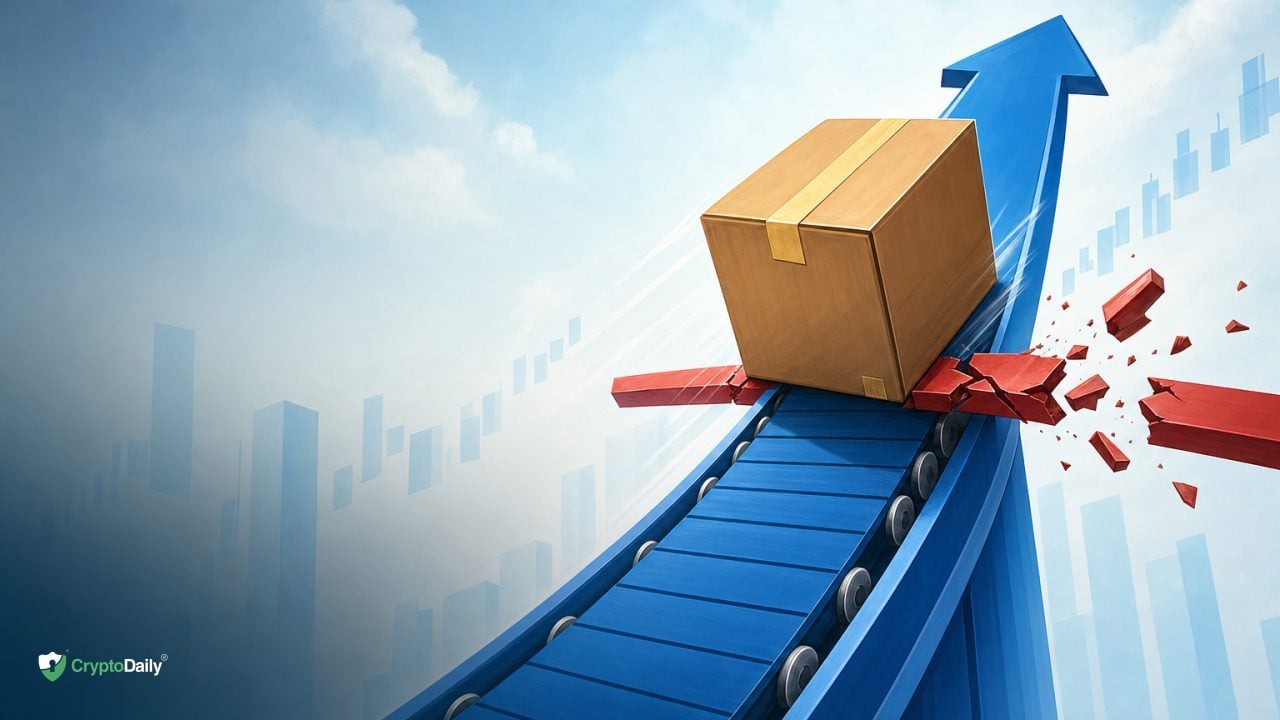
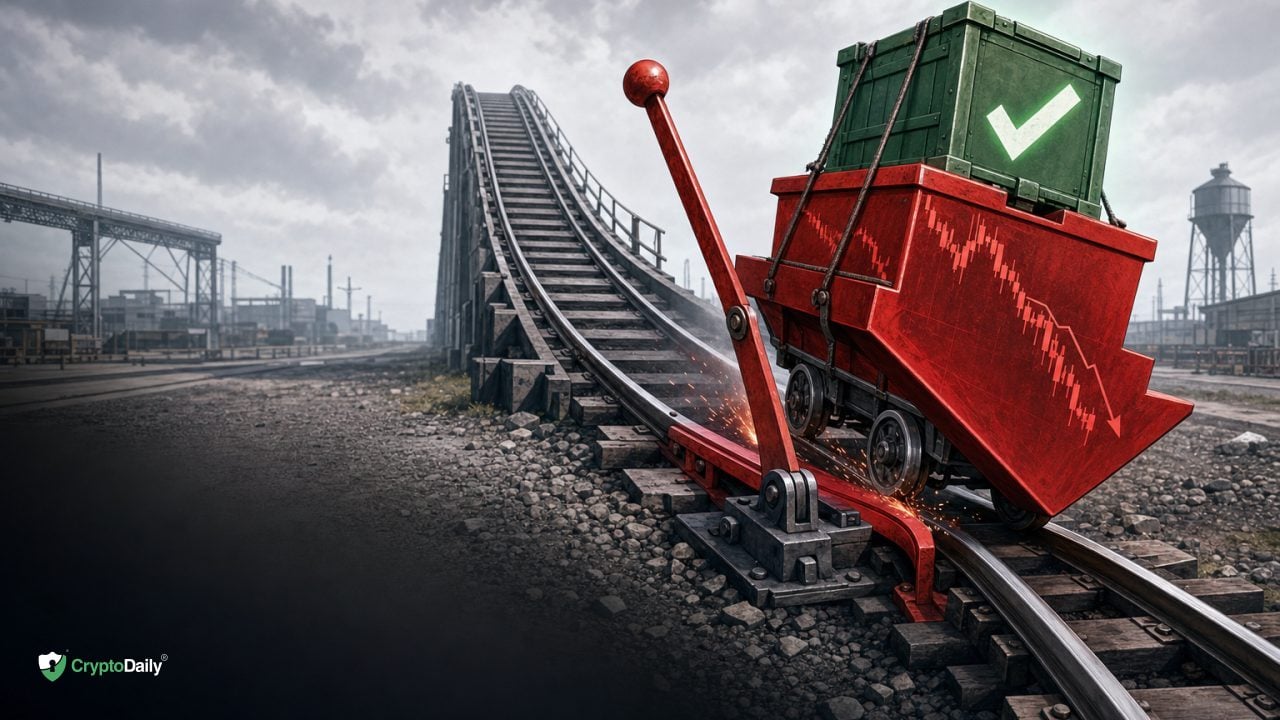
A potential merger between Tesla and SpaceX is drawing scrutiny from investors and analysts, who warn the deal could dilute Tesla shareholder value and face significant regulatory hurdles. The combination of Elon Musk's two most prominent companies would also risk diverting Tesla's cash reserves to cover SpaceX's capital-intensive projects.
Shareholder dilution concerns
Under a merger, Tesla shareholders would likely see their ownership stake shrink. SpaceX, a private company valued at roughly $150 billion, would need to be acquired through a stock swap or cash payment. If Tesla issues new shares to fund the deal, existing shareholders would face dilution. The exact terms remain unknown, but any all-stock transaction would reduce the value of current Tesla holdings.
Regulatory roadblocks
A Tesla-SpaceX merger would almost certainly trigger antitrust reviews. Regulators would examine whether combining an electric-vehicle maker with a space-launch and satellite-communications firm creates unfair market power. The Federal Trade Commission and the Department of Justice could demand concessions or block the deal outright. National security concerns tied to SpaceX's government contracts may also complicate approval.
Cash flow questions
Tesla's balance sheet has strengthened in recent years, but SpaceX's projects—such as the Starship rocket and Starlink satellite network—require enormous ongoing investment. Merging the two would mean Tesla's cash could be used to fund SpaceX's operations, potentially straining Tesla's ability to invest in new vehicle production, battery factories, or autonomous-driving technology. Investors have already signaled unease about the direction of capital allocation.
No formal merger proposal has been announced. Musk has not publicly commented on the possibility. But the speculation alone has prompted analysts to model scenarios, and the risks are clear: dilution, regulatory pushback, and a shift in corporate priorities that could leave Tesla shareholders holding a riskier asset.