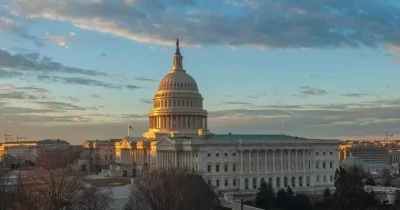
US and Israel Prepare Strike on Iran Amid Tensions
Washington and Tel Aviv are coordinating closely as military preparations intensify across the Middle East. Recent intelligence reports suggest that the US Israel strike Iran scenario is moving from theoretical planning to operational readiness. Diplomatic sources indicate that window for negotiation is closing rapidly. Leaders on both sides appear committed to a decisive response against regional threats.
What does this mean for global stability? The situation remains fluid, but the trajectory points toward conflict. Markets are already reacting to the heightened uncertainty. Investors are watching every statement from the White House and the Knesset. The world waits to see if diplomacy can still prevail.
Military Coordination Strengthens Alliance
Joint exercises and intelligence sharing have reached unprecedented levels. Defense officials confirm that logistical frameworks are in place for potential action. This level of cooperation signals a unified front against perceived aggression. Troops are mobilizing in key strategic locations throughout the region.
Why is this coordination significant? It reduces the response time for any emerging threat. Analysts note that such alignment often precedes major operational shifts. Supply chains for munitions and fuel are being secured. This preparation suggests a long-term commitment rather than a temporary posture.
Furthermore, naval assets are repositioning to cover critical waterways. Air defense systems are undergoing final calibration tests. These movements are visible to satellite monitoring groups. The message to adversaries is clear: readiness is high.
Ceasefire Odds Collapse to Historic Lows
Hopes for a peaceful resolution are fading fast. Current models estimate ceasefire odds between the parties have fallen to roughly 1%. This statistic represents a near-total breakdown in communication channels. Negotiators struggle to find common ground amidst rising hostilities.
Several factors contribute to this grim probability. Trust has eroded significantly over recent months. Previous agreements remain unenforced or violated. Each side views compromise as a sign of weakness. Consequently, the path to de-escalation looks increasingly narrow.
Is there any room for maneuver? Some backchannel talks continue, but they lack momentum. International mediators are expressing frustration over the stalemate. Without a breakthrough, the likelihood of kinetic action grows daily. The 1% figure underscores the urgency of the moment.
Economic Shockwaves Hit Global Markets
Regional destabilization may impact global financial markets and diplomatic relations severely. Oil prices are sensitive to any hint of conflict in the Middle East. Traders are hedging against potential supply disruptions. Energy sectors are seeing increased volatility as a result.
Consider the following potential impacts:
- Crude oil prices could spike by 10% within days.
- Shipping insurance rates may rise for vessels passing through the Strait.
- Stock markets in Europe and Asia might experience sell-offs.
- Currency fluctuations could affect emerging economies.
Investors are seeking safe-haven assets like gold and bonds. The uncertainty creates a ripple effect across multiple industries. Supply chains reliant on regional stability face immediate risks. Companies are reviewing their contingency plans now.
Diplomatic Channels Face Closure
International relations are straining under the weight of potential conflict. Allies are choosing sides, complicating the diplomatic landscape. Sanctions discussions are gaining traction in various capitals. The United Nations is calling for immediate restraint from all actors.
However, resolutions often lack enforcement mechanisms. Powerful nations prioritize strategic interests over collective security. This dynamic weakens the effectiveness of international law. Consequently, bilateral agreements become more important than multilateral ones.
How will history judge this moment? Future historians may view this as a turning point. The decisions made in the coming weeks will define regional power structures. Diplomats are working around the clock to prevent total collapse. Yet, the window for success is narrowing.
Conclusion: What Comes Next
The situation remains critical as preparations continue. The US Israel strike Iran possibility looms large over international security. Stakeholders must monitor developments closely in the coming days. Peace remains the preferred outcome, but preparations suggest otherwise.
Observers should watch for official statements regarding troop movements. Any shift in rhetoric could signal a change in strategy. The global community hopes for a return to stability. Until then, vigilance is the only prudent course of action. Stay informed as this story develops.