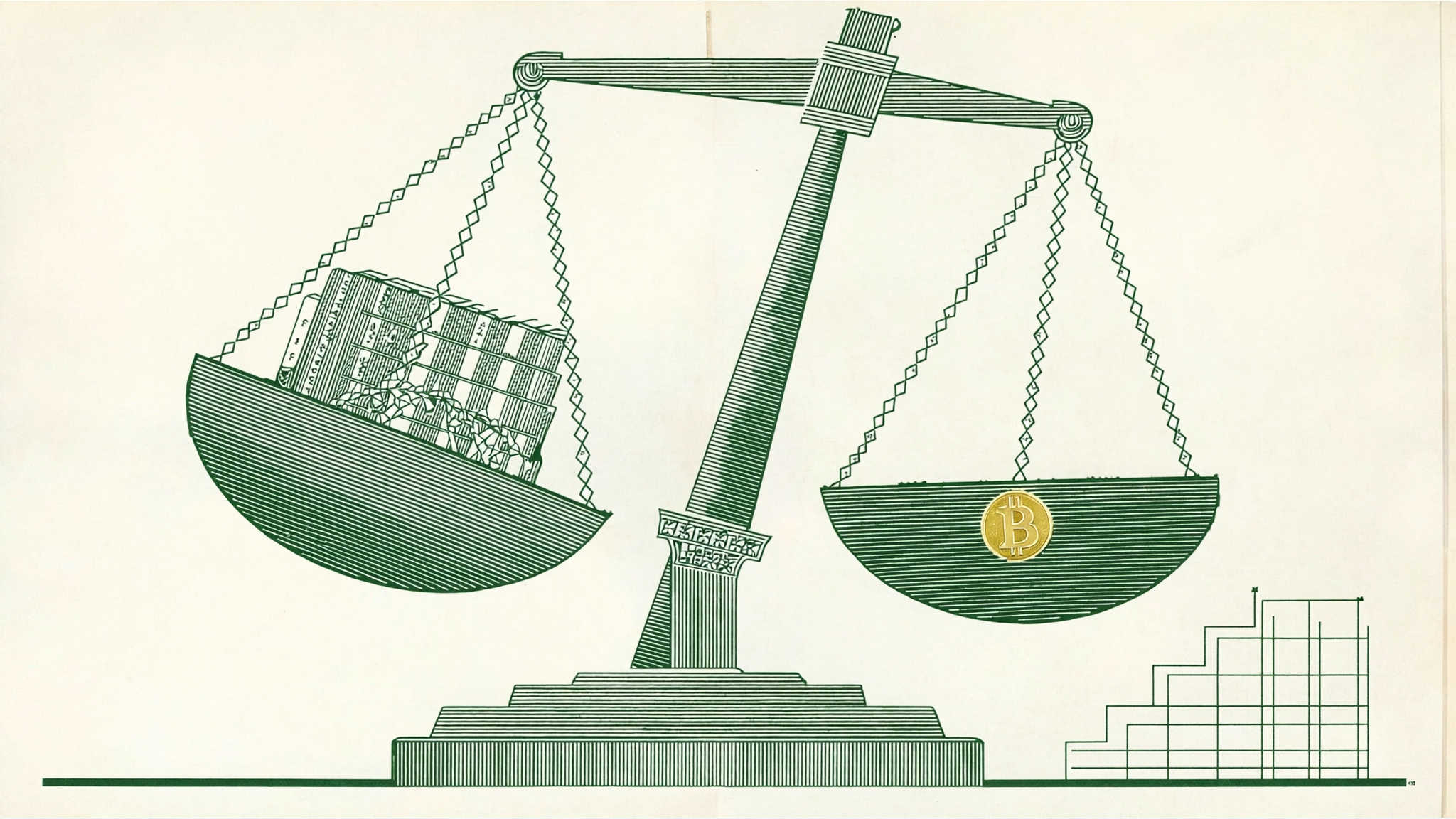
US gasoline prices have crossed $4 per gallon this week, driven by the ongoing Middle East conflict rattling energy markets. The rise is stoking inflation fears that could spill over into the crypto market and potentially delay the Federal Reserve's plans to cut interest rates.
How the conflict hit the pump
The Middle East conflict has disrupted supply routes and pushed crude oil higher. That's showing up at the pump. Gas prices haven't been this high since 2022. The jump is broad — not just a few states. Drivers in California and the Northeast are seeing the biggest spikes.
The timing isn't great. Inflation had been cooling, but energy costs are a wildcard. If gas stays above $4, it feeds into every other price. That's what has economists worried.
Inflation fears creep back
Higher gas prices mean higher transportation costs, which ripple through food, goods, and services. The latest consumer price index already showed sticky services inflation. Now add energy. The fear is that the Fed's progress on inflation stalls or reverses.
That would be a problem for risk assets. Crypto, in particular, has been sensitive to rate expectations. When the Fed holds rates high, liquidity tightens. Bitcoin and other digital assets tend to struggle in that environment.
What this means for crypto
The crypto market has been in a fragile recovery this year. A renewed inflation scare could knock it back. Traders are already pricing in a lower probability of a September rate cut. If that window closes, the rally could lose steam.
It's not just sentiment. Higher rates make yield-bearing products like Treasuries more attractive compared to crypto. That pulls capital away. The correlation between Bitcoin and the Nasdaq has been strong in 2026, so a broader risk-off move would hit both.
Rate cut timeline in doubt
The Fed has been signaling two cuts this year, with the first possible in September. But the gas price spike complicates that. Chair Powell has said the Fed needs to see sustained progress on inflation. A $4 gas price is not progress.
Some analysts now expect the first cut to slip to December or even 2027. The next Fed meeting is July 29-30. Traders will be watching for any shift in language around rate cuts.