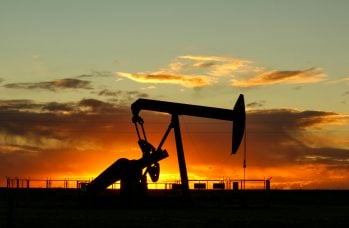
U.S. grain producers are feeling the sting of rising diesel and fertilizer prices, a direct result of the ongoing conflict in Iran. The higher input costs threaten to shrink already thin margins and, if the strain persists, could ripple through the global food supply and unsettle commodity markets.
Why Input Costs Are Climbing
Diesel is the lifeblood of every farm, powering tractors, combines, and the trucks that haul grain to elevators. Fertilizer, meanwhile, is a major expense for crops like corn and wheat, and its price is closely tied to energy markets because natural gas is a key ingredient in nitrogen-based fertilizers. The conflict in Iran has disrupted energy flows and sent prices across the board, from crude oil to natural gas, higher.
For farmers, this means they are paying more at the pump and more for the nutrients their fields need. The exact dollar figures vary by region and operation, but the direction is clear: costs are up, and they're up sharply.
The Squeeze on Farm Profitability
Grain growers already operate on narrow margins, and a sudden spike in input costs can turn a promising year into a losing one. Many farmers have already locked in some supplies or forward-sold their crop, so they can't easily pass the higher costs along. That leaves them with a tough call: absorb the expense and hope for a bumper harvest, or cut back on inputs like fertilizer and diesel, which could reduce yields.
The financial strain is not just a short-term annoyance. It could affect decisions about which fields to plant, how much fertilizer to apply, and even whether to buy new equipment. These are decisions that have a direct impact on the volume of grain produced in the United States.
Global Food Supply and Market Stability
The United States is a major exporter of corn, soybeans, and wheat, and what happens on U.S. farms matters for the rest of the world. If the higher costs reduce acreage or yields, the supply of grain could tighten, pushing food prices up and creating instability in markets that already are nervous about the conflict's broader impact.
The global food system is vulnerable to shocks, and this is exactly the kind of shock that echoes beyond the farm gate. A drop in U.S. grain exports would hit countries that rely on imports, potentially making food more expensive and harder to come by for millions of people. That's a direct threat to global food security.
Grain markets are already sensitive to any news about the conflict, and the higher input costs add another layer of uncertainty. The trading houses and food companies that buy from farmers are watching closely, but the real pressure is on the producers themselves.
The question now is how long the conflict lasts and how high input costs go. With planting season already underway in parts of the country, growers are making decisions right now about what to plant and how much to spend. Their choices, shaped by diesel and fertilizer prices, will determine the size of the next harvest and whether the global grain supply holds steady.