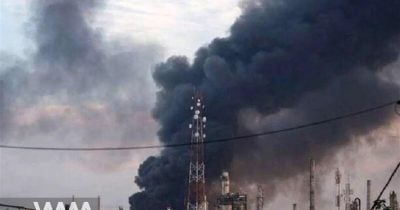
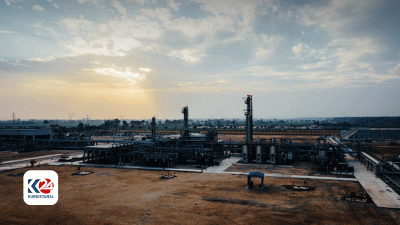
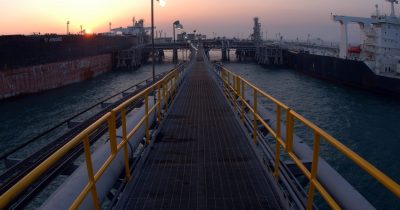
The cost of the US-Iran conflict has surpassed $100 billion, a figure that underscores the financial toll of the ongoing tensions. Meanwhile, prediction markets give crude oil a slim 6.3% chance of hitting a new all-time high by September 30, and only a 12.5% probability by the end of the year.
The $100 Billion Toll
That price tag covers more than a decade of direct and indirect costs tied to the confrontation between Washington and Tehran. The figure includes military operations, economic sanctions, and the ripple effects on global trade and energy security. No single agency has released a full breakdown, but the cumulative number has been cited in policy discussions as a benchmark for the conflict's scale.
What the Prediction Markets Say
On platforms where traders bet on future events, the odds of crude oil reaching a record high are low. The current all-time high for oil—above $147 a barrel set in 2008—remains a distant target. The 6.3% probability for a new record by September 30 suggests traders see little chance of a price spike in the next few months. The 12.5% probability by December 31 is higher but still indicates that a record is not the base case.
These odds reflect a mix of factors: global demand uncertainty, OPEC+ production decisions, and the potential for further escalation in the Middle East. But the conflict's direct impact on oil prices has been muted so far, despite the high costs incurred.
Why the Gap Matters
The disconnect between the conflict's $100 billion cost and the low probability of an oil record highlights a key dynamic. Much of the expense has come from military deployments, sanctions enforcement, and regional instability—not from a sustained spike in crude prices. For energy markets, the risk of a sudden supply disruption remains, but traders are betting it won't push prices to historic highs this year.
The next milestone comes on September 30, when the first prediction market contract expires. If oil hasn't set a new record by then, the focus shifts to the year-end deadline. Either way, the $100 billion figure will continue to shape debates about the conflict's true cost.