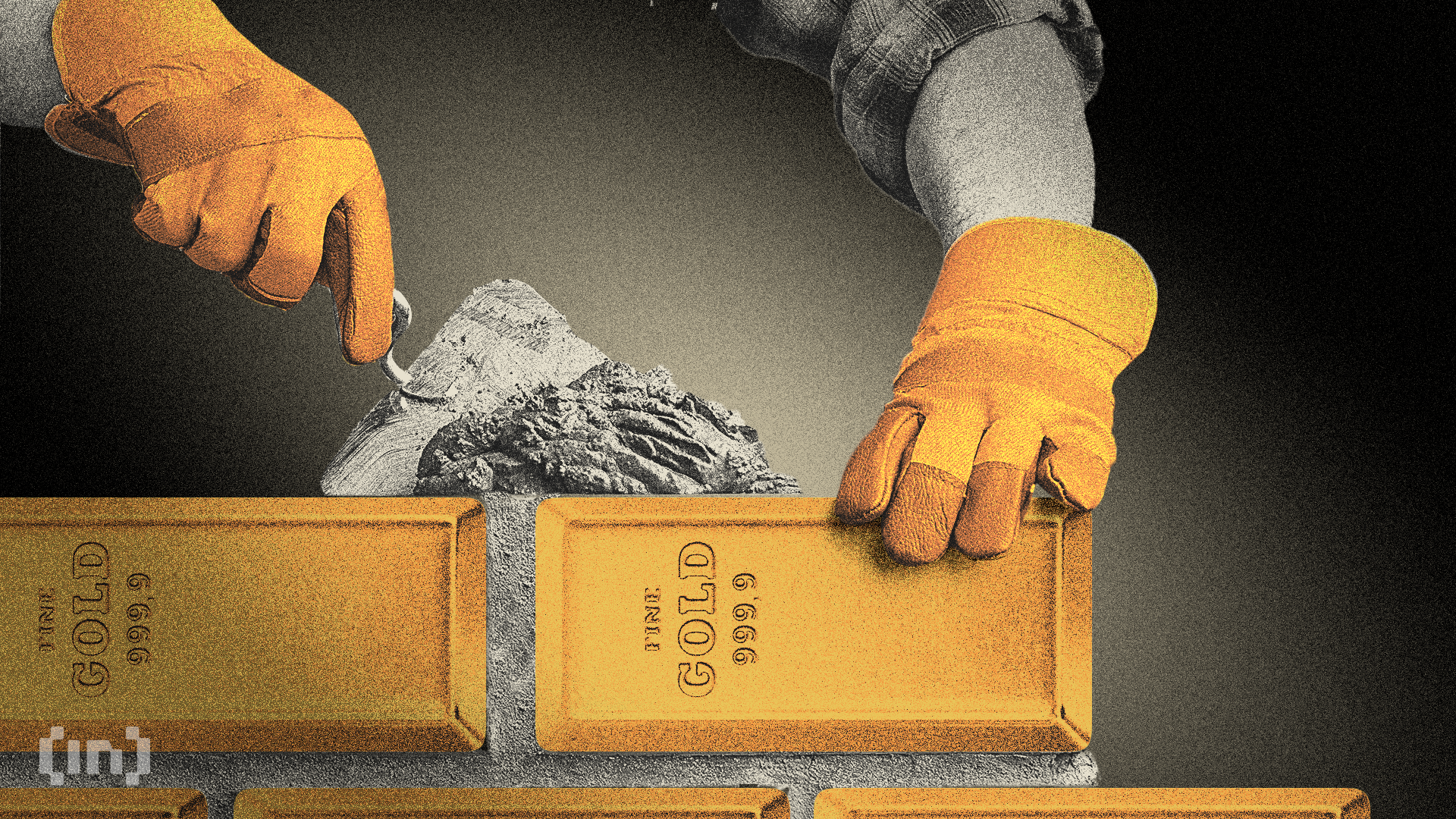
The White House has locked in a rare earth supply deal, a rare win in a market long dominated by Beijing’s export controls. The agreement, details of which remain under wraps, underscores how critical minerals have become a lever in global diplomacy — and how hard it is to untangle supply chains from China’s grip.
Why rare earths matter
Rare earth elements aren’t actually rare. They’re a group of 17 metals used in everything from electric vehicle motors to fighter jet guidance systems. But processing them — separating the ore into usable oxides — is an industrial art that China has perfected over decades. Today, the country controls roughly 60% of global mining and more than 80% of refining capacity.
That concentration gives Beijing enormous leverage. In recent years, China has tightened its export regime, requiring licenses for shipments of key rare earths and threatening to cut off supplies in trade disputes. For the U.S., which relies on imports for most of its rare earth needs, the vulnerability is stark.
China’s export regime persists
Even as the White House announced its latest win, Chinese officials gave no indication they would loosen export rules. The regime remains in place, a constant reminder that any deal struck today could be upended tomorrow by a policy shift in Beijing. U.S. officials declined to say whether the new agreement includes safeguards against such disruptions.
The deal likely involves a partner outside China — possibly Australia, Brazil, or a U.S.-allied company with processing capacity. But few details have been released. What is known: the administration has been scrambling to fund domestic processing plants and stockpile critical minerals, efforts that have moved slowly against entrenched supply chains.
What the deal means for global diplomacy
The rare earth win isn’t just about industrial supply. It signals a shift in how nations view strategic resources. For decades, trade was about cost and efficiency. Now it’s about control. Countries are using their mineral riches — or their stranglehold on processing — to extract political concessions.
The White House has been pressing allies to coordinate on critical mineral supply chains, but progress is uneven. Japan and South Korea have their own rare earth deals with China. Europe is still building its processing capacity. The new U.S. agreement may give Washington a stronger hand in those talks, but it won’t erase the underlying dependence overnight.
The next test will come when the first shipments arrive under the deal — likely later this year. If they land without incident, the administration will have a template. If China retaliates with new restrictions, the fragility of the whole strategy will be laid bare.