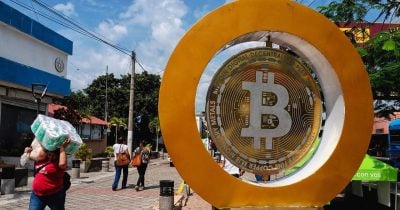
Bhutan's Royal Government has sold 434 bitcoin, raising $28 million. The sale shrinks the country's sovereign crypto treasury, with the proceeds going toward development projects. It's a practical move for a resource-rich nation that has embraced bitcoin as a reserve asset.
A shrinking sovereign stash
The liquidation is part of a broader trend of countries tapping their digital assets to fund state priorities. Bhutan had quietly built up a bitcoin reserve over the years, and this sale trims that holding. The exact size of the remaining stash hasn't been disclosed, but the reduction is significant for a small kingdom that holds bitcoin as part of its financial toolkit.
There's no sign of distress. The government is methodically converting a slice of its crypto into fiat to pay for things. That's a strategy more governments are starting to adopt.
Where the money goes
The $28 million isn't going into a general slush fund. It's earmarked for development projects — roads, schools, infrastructure. The exact breakdown hasn't been made public, but the intent is clear: turn digital assets into tangible improvements.
For a country like Bhutan, which has limited traditional revenue streams, having a liquid asset like bitcoin offers flexibility. Selling a bit now to fund work on the ground makes sense.
The crypto-treasury playbook
Bhutan isn't alone. Other resource-rich nations have been eyeing crypto as a way to diversify their reserves. The pragmatic play is to hold during good times, sell when you need cash. That's exactly what's happening here.
The sale also signals that sovereign bitcoin holders aren't just hodling forever. They're treating it like any other asset — with an eye on liquidity. This approach is seen as pragmatic for resource-rich nations leveraging crypto to meet fiscal needs.
What comes next is unclear. Bhutan could sell more, or it could hold. The government hasn't said. But the precedent is set: even the most enthusiastic crypto treasuries will sell when the price is right.