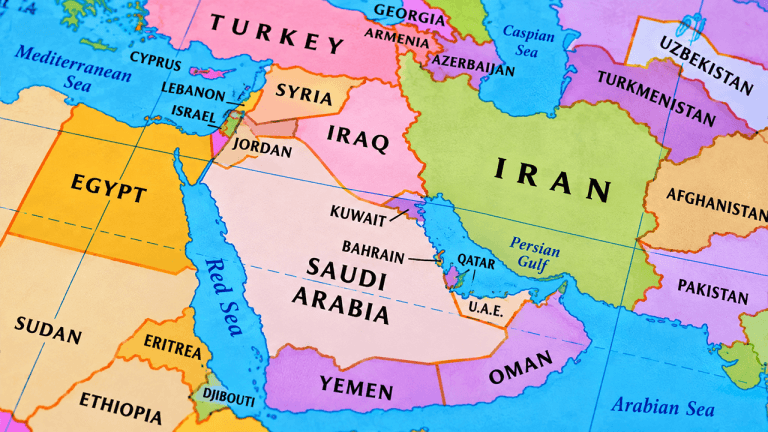
Israeli Prime Minister Benjamin Netanyahu told former President Donald Trump this week that he doubts a nuclear deal with Iran is possible. The remark, reported by multiple outlets, adds fresh uncertainty to an already volatile geopolitical landscape. For crypto markets, the implications are indirect but real: oil price volatility could ripple into inflation expectations, and that's where Bitcoin's hedge narrative gets a boost.
The Iran Deal Doubt
Netanyahu's skepticism isn't new, but the direct conversation with Trump — a key figure in the 2018 withdrawal from the Joint Comprehensive Plan of Action — signals that diplomatic progress may be stalled. The prime minister's office confirmed the call but didn't provide further details. The timing matters: Iran's nuclear program has advanced significantly since the U.S. left the deal, and any return to negotiations faces deep distrust on both sides.
Without a deal, the risk of escalation — whether through sanctions, military posturing, or disruptions in the Strait of Hormuz — stays elevated. That's a classic recipe for oil price swings.
Oil and Inflation
Oil is the world's most traded commodity, and its price feeds directly into inflation. When crude jumps, transportation and production costs rise, pushing consumer prices higher. Central banks, already wary of sticky inflation, may have to keep rates higher for longer — or even hike again.
That's the kind of macroeconomic pressure that tends to send investors hunting for assets that hold value outside the traditional system. Bitcoin, with its fixed supply and global liquidity, often gets mentioned in that conversation.
Bitcoin as a Hedge
Bitcoin's appeal as a hedge against geopolitical and monetary uncertainty isn't new, but it's been tested repeatedly. During the 2023 banking crisis and the 2024 U.S. debt ceiling standoff, BTC rallied as investors questioned fiat stability. A similar pattern could emerge here.
The logic is straightforward: if oil volatility stokes inflation fears, and central banks respond with tighter policy, growth assets may suffer. But Bitcoin — uncorrelated to oil, not tied to any single economy — can act as a store of value. It's not a perfect hedge, but it's one of the few assets that doesn't depend on a government's promise to repay.
That doesn't mean a rally is guaranteed. Crypto markets have their own dynamics — regulatory news, exchange flows, sentiment. But the macro backdrop is shifting in Bitcoin's favor.
No new talks are scheduled between the U.S. and Iran. Netanyahu's comments suggest Israel will continue to oppose any deal that doesn't fully dismantle Iran's nuclear capability. Oil markets are watching closely, and so are crypto traders.
For now, the story is about positioning. If oil spikes and inflation expectations rise, Bitcoin's hedge narrative gets a real-world test. The next few weeks will show whether investors are buying that story — or waiting for something more concrete.