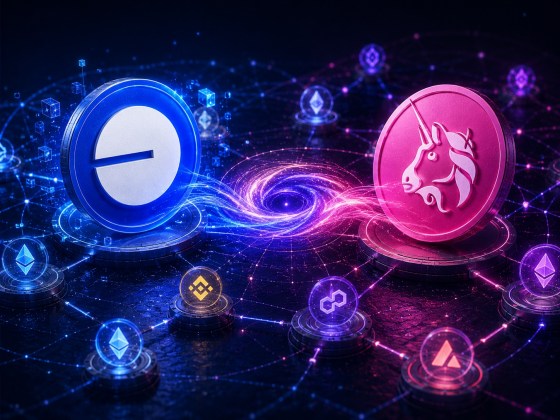
Chainlink announced 12 new integrations across 10 blockchains this week, covering DeFi, liquidity, and data services. The network keeps adding protocols that depend on its oracle infrastructure, extending its reach into a crypto world that's clearly multi-chain now.
Inside the integrations
The new integrations span multiple ecosystems, each one a protocol that relies on Chainlink for data, automation, or cross-chain functions. That 10-chain spread is the key detail. Crypto isn't a single-chain game anymore, and a provider that can plug into a wide range of networks holds real value.
These are live deployments, not partnerships in name only. Every integration adds an example of a protocol actually depending on Chainlink's infrastructure. For a network that makes money from usage, that's the point.
Why oracle quality matters
Bad oracle data can wreck a DeFi protocol. A wrong price feed can lead to bad liquidations, mispriced assets, and users losing funds. That's why protocols tend to pick providers with battle-tested systems and a long track record. Chainlink's reliability and breadth are what keep it in demand.
It's not glamorous work, but it's the plumbing that keeps DeFi running. When an oracle messes up, you notice. When it works, nobody thinks about it. Chainlink's value is built on that quiet consistency.
Breadth vs. depth
Here's the caveat: not all integrations are equal. A small lending protocol and a major money-market protocol both count as one integration, but they're not the same. The count alone tells you less than the weight of each deal.
Integrations also don't automatically push LINK's price up. Oracle networks are long-term plays; usage builds value over time, not in a single announcement. So while 12 is a solid number, the real question is how many of these become meaningful revenue streams.
Chainlink's breadth is impressive, and it keeps adding examples of protocols relying on its infrastructure. But the next thing to watch is depth. Will these integrations stay on the periphery, or do a few turn into heavyweight dependencies? That's the detail that separates a headline from a trend.