DTCC is moving DTC-custodied Treasuries onto blockchain rails via Canton, a network that's building infrastructure for $6 trillion in real-world assets. At the same time, Lighter's LIT trading platform is launching, entering the same space as Hyperliquid — but with fees that are a multiple of its rival's.
Treasuries on the blockchain
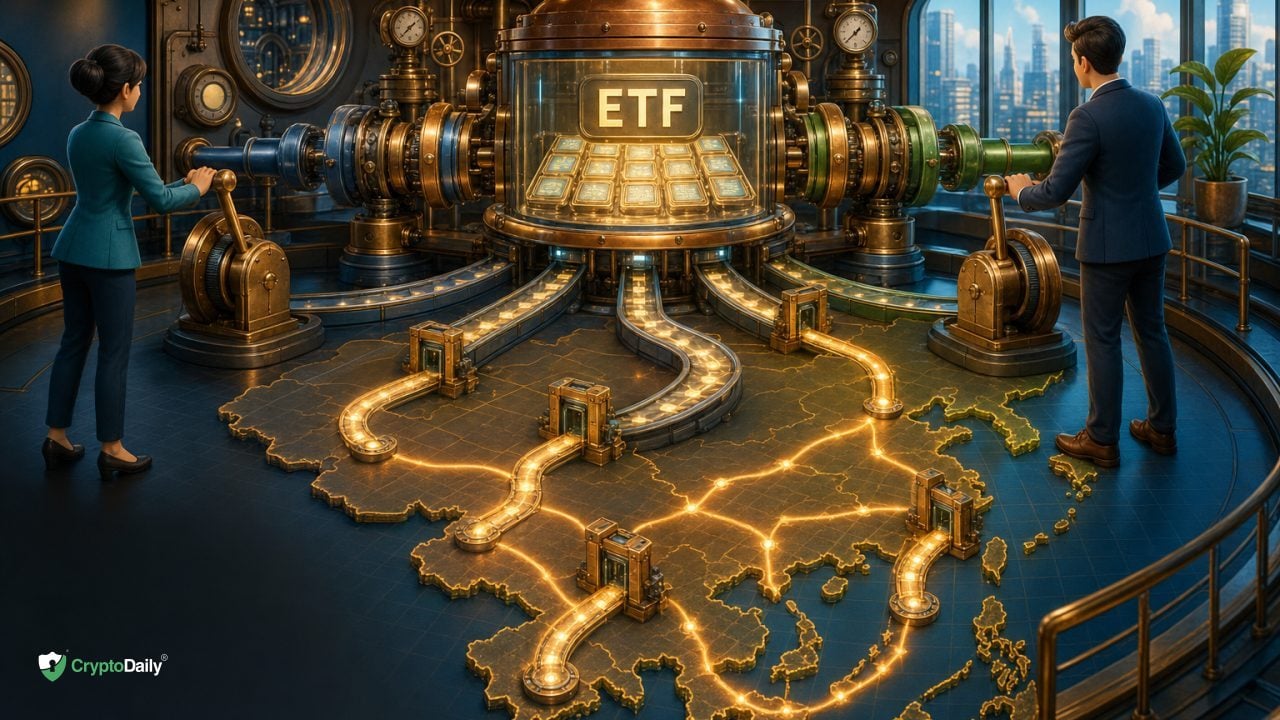
The DTCC, which handles clearing and settlement for U.S. securities, is taking Treasuries held at DTC and putting them on Canton. That means the traditional custody system is getting a blockchain layer. Canton is the network doing the heavy lifting.
The move is a concrete step toward tokenizing government debt. It's not a test or a pilot — it's a real shift of assets onto a distributed ledger.
Canton's $6 trillion target
Canton is building rails for $6 trillion in real-world assets. That's a big number. The DTCC move is a step toward that goal. If Treasuries can move onchain, other assets might follow.
The network is positioning itself as the infrastructure for tokenized securities. The $6 trillion figure covers a range of assets, from bonds to funds to other traditional instruments.
LIT enters the trading race
Lighter's LIT is launching trading. It's going head-to-head with Hyperliquid, a platform that's already established in the space. LIT is entering the same arena, but it's doing so with a different fee structure.
LIT's trading fees are a multiple of Hyperliquid's fees. That means traders on LIT will pay more per trade. Whether that's sustainable is an open question.
The fee question
Fees are a big deal in trading. Hyperliquid has built a following partly on low costs. LIT is coming in with higher fees. That could be a hurdle for adoption.
But LIT might be targeting a different segment. Or it might be betting that its features justify the cost. The facts don't say.
The DTCC move and the LIT launch both point to the same trend: traditional finance is moving onchain. The question is whether the fee structure will hold up.
LIT's launch is live, and DTCC's move is underway. The next few weeks will show whether traders accept LIT's fees, and whether Canton can handle the scale of Treasuries. Both are tests of whether blockchain rails can carry real money.