Ethereum developers are scrambling to build native privacy features into the network within a year. Tom Dunleavy of Varys Capital put a hard stop on the timeline: the push needs to happen in under 12 months or it effectively doesn't matter. The urgency comes as ETH has slumped about 30% this year and rival privacy coins like Zcash and Monero post double-digit gains.
The Clock Is Ticking
Dunleavy didn't mince words. 'Under 12 months or it effectively doesn't matter,' he told GSR Research. Ethereum co-founder Vitalik Buterin added his own pressure, calling on developers to 'accelerate the cypherpunk privacy reality.' He outlined a near-term roadmap focused on account abstraction, FOCIL, and keyed nonces. The message is clear: the window for action is narrow.
The Numbers Behind the Rush
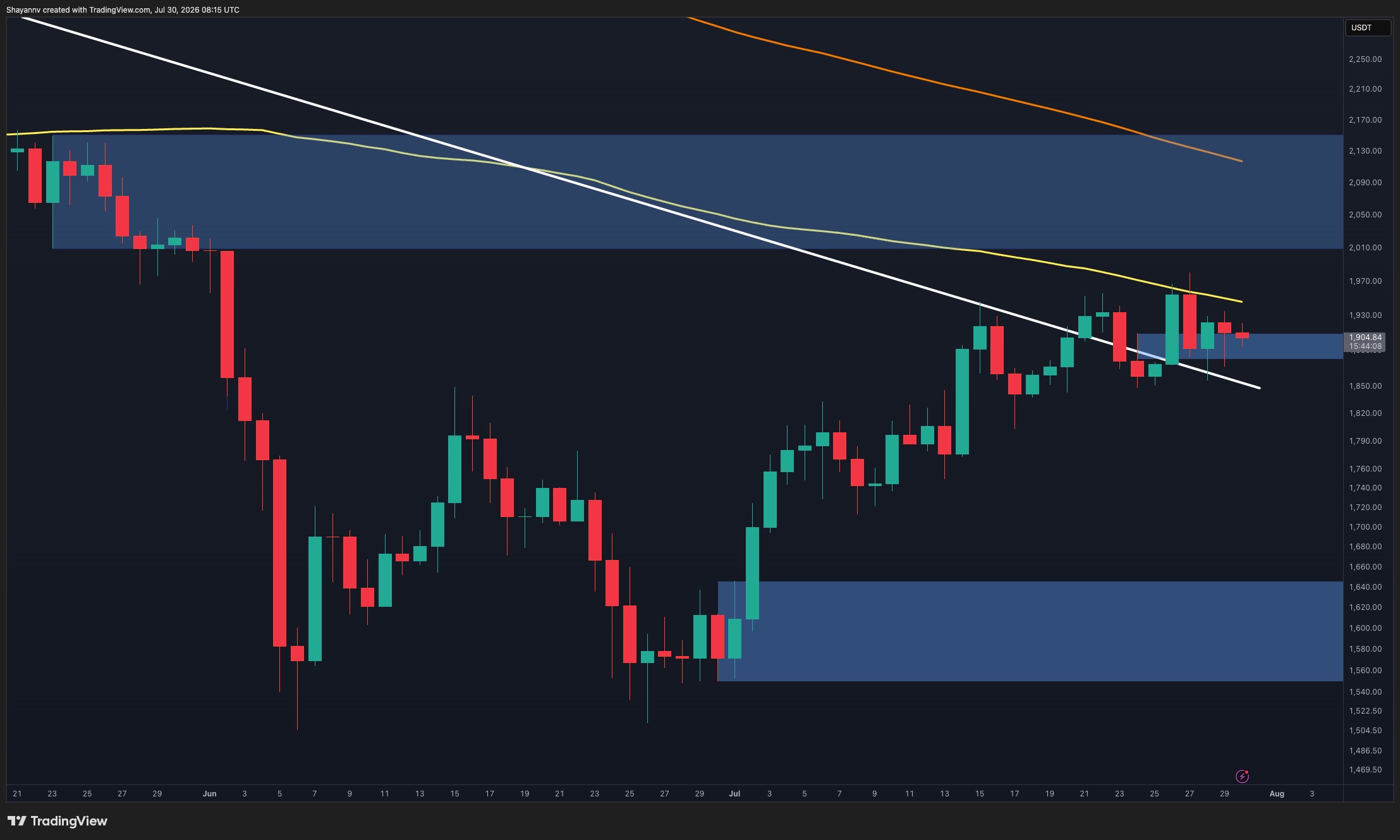
ETH recently traded near $2,000 — down roughly 30% year-to-date. The ETH-to-Bitcoin ratio hit its lowest level since mid-2025. CryptoQuant data shows wallets holding between 100 and 1,000 ETH have nearly halved their balances over the past three years, from a 2023 peak of 16.2 million ETH to roughly 8.75 million now. Wallets holding 1,000 to 10,000 ETH started trimming their positions late last year. Blockchain revenue, according to GSR Research, is shifting toward rival networks such as Solana, Tron, and Hyperliquid.
Privacy Coins Take Off
Zcash has registered double-digit gains in the same period, and its market capitalization surged over 900% in the past year, approaching nearly $10 billion. Monero doubled in value. Grayscale Research argues the digital asset sector is on the cusp of a 'third wave' of widespread public attention regarding financial privacy, driven by stablecoins, blockchain applications, and AI. Grayscale Investments Chairman Barry Silbert declared that the 'privacy era' in digital assets has officially commenced.
The Trade-Offs Ahead
Grayscale also noted a tension: stronger privacy protections have historically led to weaker market distribution, creating friction with centralized exchange support, regulatory compliance, and wallet integration. That's a knot Ethereum will have to untangle if it wants to keep its dominance in stablecoin settlement, tokenization, decentralized finance, and Layer 2 activity — areas where it still leads.
The question now is whether the Ethereum community can ship these upgrades before the window closes — or whether the market moves on without it.