Former Ripple CTO David Schwartz has quietly donated XRP to John Deaton’s U.S. Senate campaign, responding to the Republican candidate’s May 15 appeal for funds. Schwartz publicly confirmed the move with a short post: “Sent some XRP.” The donation is notable less for its size — Schwartz didn’t disclose the amount — and more for who’s making it. Schwartz, a co-creator of the XRP Ledger, is backing a candidate who built his national profile defending XRP holders against the SEC.
Schwartz’s public gesture
Deaton, a Massachusetts Republican and former SEC critic, lost to Elizabeth Warren in the 2024 Senate race. This time he’s targeting the seat held by Democratic Sen. Ed Markey. His campaign pitches itself as an outsider: no PAC, lobbyist, or special interest money, relying on small-dollar donations. Schwartz’s XRP transfer fits that narrative — a direct, individual contribution from a key figure in the crypto industry.
Deaton’s outsider pitch
Deaton has laid out policy priorities that include an energy plan to cut electricity prices, a housing plan to build 5 million homes in five years, and healthcare reform aimed at large insurers. His 2024 campaign reported $2.24 million in total receipts, including $1 million in personal loans and $1.15 million in individual contributions. That’s a fraction of what a typical Senate race costs in Massachusetts, but Deaton’s crypto credibility could help him tap a different donor base.
Crypto money in politics
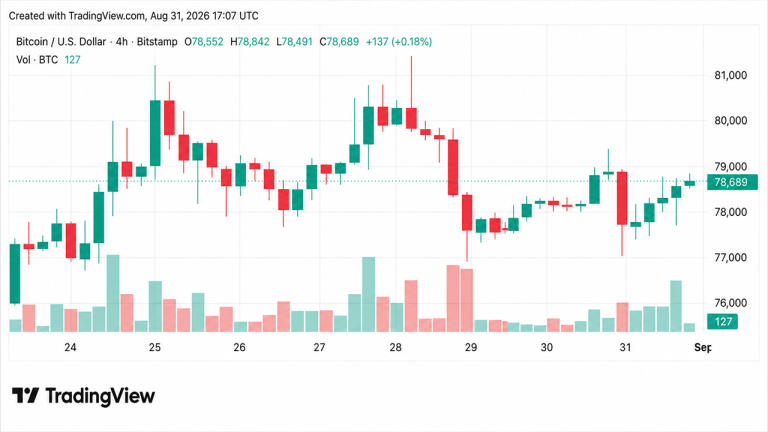
The Schwartz donation comes as the role of crypto money in elections remains a hot-button issue. Deaton’s campaign is trying to distinguish direct, individual contributions like Schwartz’s from the broader flood of industry PAC money. Whether that distinction holds — or matters to voters — is an open question. XRP was trading at $1.38 at press time, giving the gesture a tangible price tag, but the real value may be symbolic.
For Schwartz, publicly backing a pro-crypto candidate is a rare move. For Deaton, it’s a signal that his outsider message resonates with the people who built the technology he’s defending.