Last week, as a new batch of Maastricht Treaty violations made the rounds in Brussels, I found myself thinking about fabric scraps. In 1971, my kindergarten class used cloth rectangles as pretend currency. Then a new teacher decided to print more — a lot more. Within days, the scraps were worthless. That was hyperinflation, age five. And it's the same mechanism that has eaten 97% of the U.S. dollar's purchasing power over the last hundred years, turned a pound of silver into a pound of paper, and left Europe's own fiscal rules in tatters.
Why a hyperinflation story from 1971 still matters
The lesson was simple: when someone can increase the supply of money at will, savings disappear. It doesn't matter if the money is fabric, paper, or digital ledger entries. The teacher didn't break any rule — she was the rule. That's the exact power the European Central Bank and most central banks hold today, even when treaties say otherwise.
Europe's broken budget rules in numbers
The Maastricht Treaty says EU member states shall keep budget deficits below 3% of GDP. Between 2000 and 2010, Greece broke that rule 11 times. Italy did it seven times. France, six. Even Germany racked up five violations. The treaty also forbids the ECB from permanently financing governments by buying their bonds. The bank has been doing exactly that for years — without consequence. Rules that can't be enforced aren't rules; they're suggestions.
The dollar's 97% slide and the pound's lost silver
The U.S. dollar has lost 97% of its value over the past century. The British pound originally represented a pound of sterling silver. Today it's a fraction of that. Every fiat currency in history has eventually inflated, because the people in charge can always change the rules. That's the feature, not the bug.
Bitcoin's response: rules that actually hold
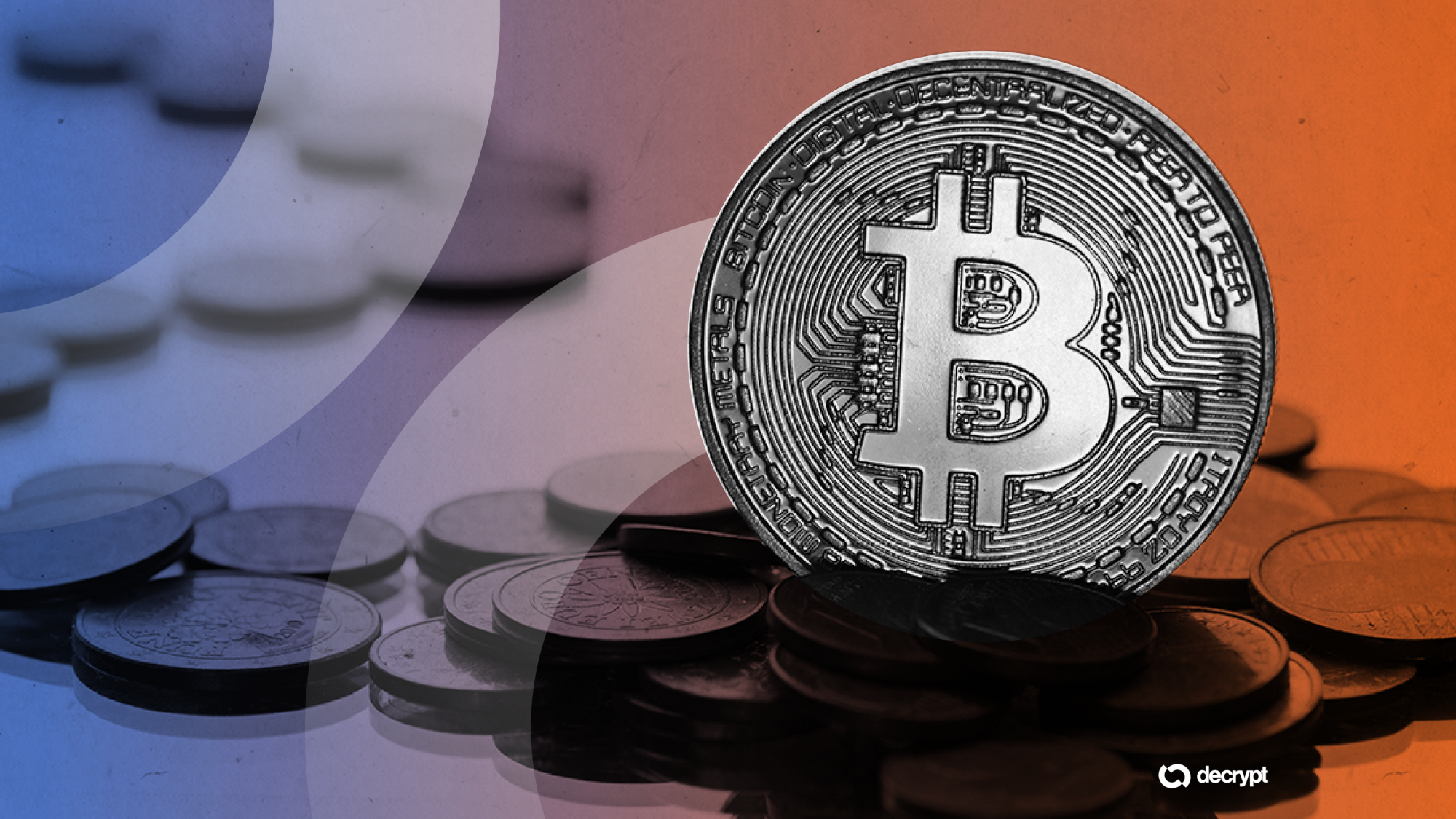
Bitcoin's supply cap — 21 million coins — can't be changed by any authority or committee. No teacher can print more scraps. No central banker can override the code without network consensus, which means the overwhelming majority would have to agree to devalue their own holdings. That hasn't happened, and it's hard to see it ever happening. The contrast is stark: a monetary system whose integrity depends on human restraint has a poor track record. One whose integrity depends on math and distributed consensus has never buckled.
The next time you hear a central banker promise they'll stop printing, remember the fabric scraps. And the Maastricht violations. And the dollar's 97% bite. Promises break. Code, for now, doesn't.