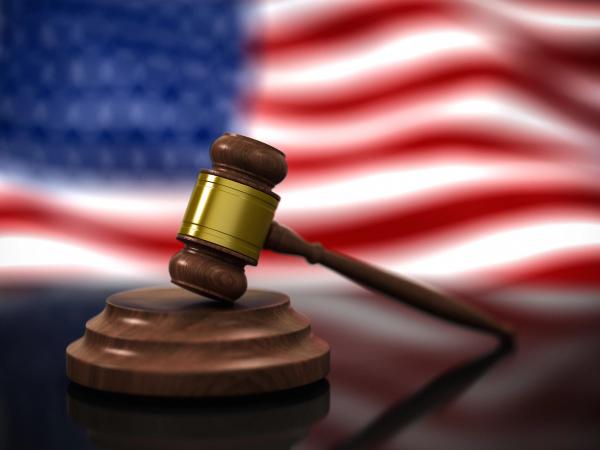
Ripple CEO Brad Garlinghouse has restated his long-held position that XRP is not a security, pointing to U.S. District Judge Analisa Torres' 2023 ruling in the SEC's case against the company. The comments came from a resurfaced appearance at Faena Rose, in a discussion billed as 'The Transformative Power of Crypto Assets.'
Garlinghouse didn't hedge. He said XRP's price is set by supply and demand, and that its supply is fixed — a point he's made before, but one that lands differently now that Ripple is spending real money to build out the token's ecosystem.
The ruling he keeps coming back to
The 2023 Torres decision has been the legal anchor for Ripple's public posture ever since. Garlinghouse's framing hasn't shifted: XRP is a non-security, full stop. For a company that spent years in court over exactly that question, the repetition is the point. It's the line Ripple wants on the record every time its CEO sits down for a public conversation.
Trust, use cases, liquidity
Ripple's strategy for XRP runs on three fronts, according to Garlinghouse: greater trust, broader use cases, and deeper liquidity. He called the token Ripple's 'North Star' and tied each of those three legs back to the same goal — making XRP something institutions can actually move in size.
The liquidity argument is the one he pressed hardest. Easily tradable assets are more practical for banks and financial firms, he said, especially when markets are under stress. That's not an abstract pitch. An institution holding a position it can't exit quickly is a institution with a problem, and Garlinghouse knows it.
Over $1 billion into the ecosystem
Ripple has deployed more than $1 billion into companies operating inside the XRP ecosystem, according to Garlinghouse. That spending is aimed at expanding practical applications for the token — the 'use cases' leg of his three-part framework, and the slowest one to show results.
He also made the demand case directly: wider adoption among banks, financial institutions, and businesses could drive more demand for XRP, which in turn makes deep liquidity more important. It's a loop. More users need more liquidity; more liquidity makes the asset easier for the next institution to adopt.
What's still open
The $1 billion-plus in ecosystem spending is the most concrete number Garlinghouse has attached to the strategy, but it doesn't come with a timeline for when those bets are expected to pay off. Ripple's pitch to banks still rests on the same question it's faced for years: whether institutions actually route meaningful volume through XRP rails, or just keep watching from the sidelines.