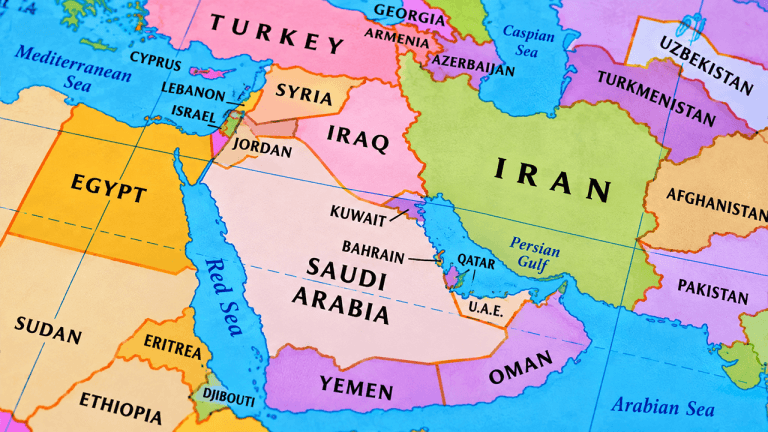
Iranian oil tankers are sitting idle off the coast this week, stranded by a renewed US blockade that has all but halted crude exports. With traditional payment channels frozen, Tehran is increasingly turning to cryptocurrency to keep its economy alive. The move underscores how digital assets are becoming a tool in geopolitical standoffs — and it's raising fresh alarms among regulators and market participants.
Tankers at a standstill
Satellite imagery and shipping data show multiple Iranian-flagged tankers loitering in the Persian Gulf and the Gulf of Oman, unable to offload cargo. The US blockade, tightened in recent months, has effectively cut off Iran's primary revenue stream. Oil exports, which once accounted for the bulk of government income, have dropped sharply. The tankers aren't moving because buyers are afraid of secondary sanctions.
Tehran's crypto pivot
Facing a cash crunch, Iranian authorities have been ramping up efforts to use cryptocurrency for international trade. State-backed exchanges and mining operations are being repurposed to facilitate cross-border payments, bypassing the dollar-based banking system. The shift isn't new — Iran has dabbled in crypto for years — but the blockade has turned it from an experiment into a necessity. Local reports suggest the central bank is now actively settling some import invoices in bitcoin and stablecoins.
Geopolitical fallout
The situation highlights a growing trend: crypto's role in geopolitical conflicts. For the US, the blockade is meant to strangle Iran's economy, but digital assets offer a workaround that's hard to police. That creates regulatory headaches. How do you enforce sanctions when value moves peer-to-peer, outside the banking system? The US Treasury has already flagged crypto as a sanctions evasion risk, but this is a live test case. Market uncertainties follow — if Iran can successfully trade oil for crypto, it could destabilize traditional energy markets and spur other sanctioned nations to follow suit.
The coming weeks will show whether crypto can effectively replace Iran's lost oil revenue, or whether the US will tighten its grip on the digital asset space in response.